Lieferando's Major Workforce Shift: 2,000 Layoffs Amid Subcontracting Push in Germany
July 17, 2025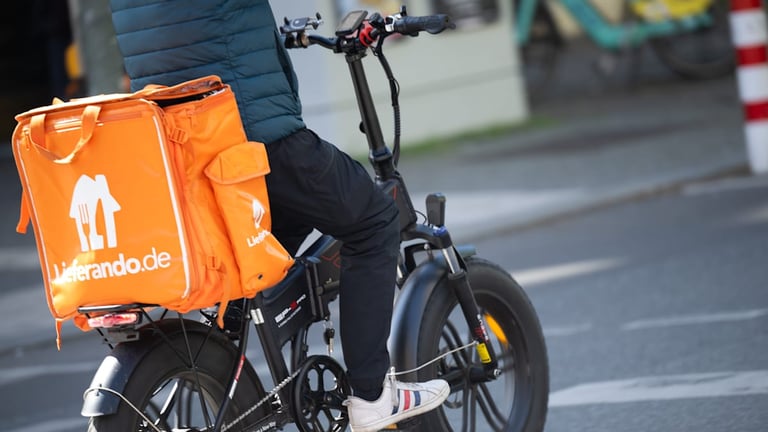

Labor unions like NGG have been advocating for better wages and collective agreements, with recent strikes highlighting ongoing tensions over working conditions and employment rights.
While most drivers will remain directly employed, about 5% of deliveries will be outsourced to third-party logistics firms, with strict selection processes to ensure fair employment standards.
Critics, including unions and organizations like Fairwork, have argued that the subcontractor model does not guarantee fair working conditions for couriers, raising questions about the sustainability of such practices.
Lieferando is shifting its delivery model in Germany by reducing its workforce and increasingly relying on subcontractors, especially in smaller markets like Wiesbaden and Lübeck, to adapt to changing market conditions.
This strategic move involves layoffs of up to 2,000 drivers, roughly 20% of its German workforce, with significant impacts expected in Hamburg, and aims to improve service reliability and efficiency.
The company's CEO, Lennard Neubauer, explained that the decision is driven by the need to meet customer expectations for short delivery times amid fierce competition from rivals like Uber Eats and Wolt.
Employee representatives have criticized the layoffs, arguing that they threaten job security and collective bargaining, and have called for political intervention to prevent exploitative business models.
Meanwhile, the European Parliament has recently passed legislation to ensure platform workers are treated as employees, requiring platforms to prove proper employment classification.
The EU is actively working on regulations to combat false self-employment and exploitative practices in the gig economy, which still require national implementation, addressing widespread concerns about worker rights.
Negotiations for a social plan for affected employees are set to begin soon, with the goal of completing these discussions by early 2026, and the company's works council will be involved in the process.
Historically, Lieferando employed drivers directly through its logistics subsidiary, Takeaway Express, but this model was seen as bureaucratic and costly, prompting a shift towards outsourcing.
This industry-wide shift towards subcontracting, similar to competitors, raises concerns about exploitative conditions and false self-employment, which are being addressed through ongoing EU regulatory efforts.
Summary based on 10 sources