Lebanon Rejects US-Backed Buffer Zone Proposal Amid Renewed UNIFIL Debate
July 26, 2025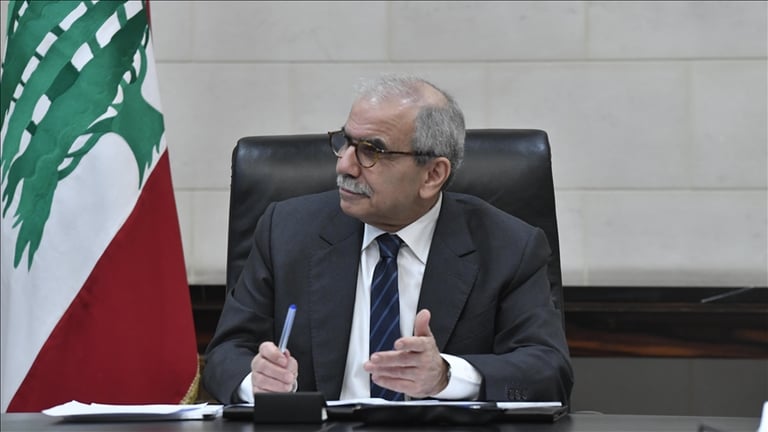

Israel's military operations in Lebanon, which began in October 2023, escalated into a full-scale war by September 2024, leading to over 4,000 deaths and 17,000 injuries.
Despite a ceasefire established in late 2024, ongoing tensions along Lebanon's southern border have resulted in Israeli airstrikes targeting civilian areas.
Under the ceasefire agreement, Israel was expected to withdraw from southern Lebanon by January 2025, but this deadline was extended to February 18 due to non-compliance, with Israel still present at five border outposts.
In light of these tensions, a report from Lebanese daily Al-Liwaa indicates that the US has informed Lebanon it would not support the renewal of the UNIFIL mandate, proposing instead a joint military deployment.
In response, Lebanon's Foreign Ministry has formally requested the UN Secretary-General to extend UNIFIL's mandate for another year starting August 31.
During a recent meeting, Lebanese Prime Minister Nawaf Salam and Parliament Speaker Nabih Berri discussed Salam's visit to Paris, where French President Emmanuel Macron reaffirmed France's support for Lebanon and commitment to renewing UNIFIL's mandate.
Amidst these developments, Salam denied reports of a US-backed proposal to establish a buffer zone in southern Lebanon, which surfaced alongside claims of an international effort to replace UNIFIL with a new military arrangement involving US, French, and British forces.
Reports suggest that US envoy Tom Barrack presented a proposal for a comprehensive deal that includes creating a demilitarized buffer zone monitored by international forces in exchange for a halt to Israeli attacks and significant investments.
This proposal also addresses Hezbollah's role and armaments within the Lebanese state.
Salam's denial of the US-backed proposal comes as Lebanon navigates a complex geopolitical landscape, balancing international support and internal security concerns.
Summary based on 1 source