Germany Debates Mandatory Social Year for Retirees to Boost Intergenerational Solidarity
August 22, 2025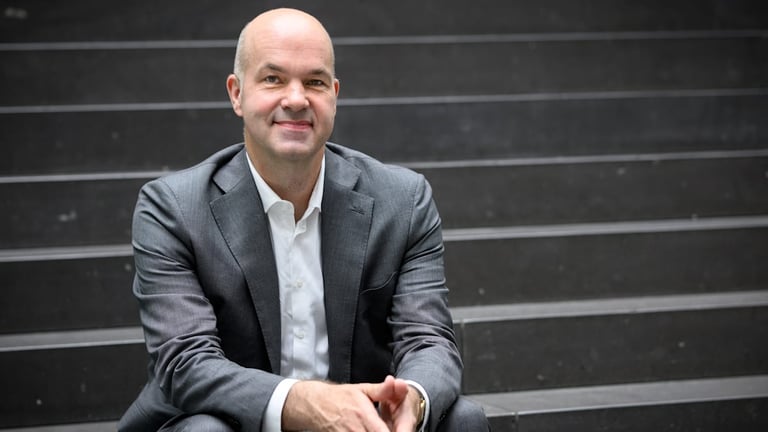

Marcel Fratzscher, President of the German Institute for Economic Research (DIW), has proposed a controversial plan to introduce a mandatory social year for all retirees, aiming to strengthen intergenerational solidarity and societal contributions.
Fratzscher's proposal includes a mandatory service that could encompass social and defense contributions, leveraging the skills of older generations, such as military experience, to address issues like personnel shortages in these sectors.
This idea is part of a broader effort to create a new generation contract in Germany, emphasizing increased solidarity from the elderly towards younger generations and proposing measures like a 'Boomer-Soli'—a solidarity tax on high pension incomes—to stabilize the pension system.
The proposal is set against a backdrop of demographic challenges, with social contributions projected to rise significantly by 2035 and 2050, exacerbating the fiscal burden on future generations.
Critics argue that such mandates disregard the dignity of retirement, especially since many have fewer children due to financial constraints, and they emphasize that older generations have historically contributed significantly to society.
The debate also touches on the current trend of shifting societal responsibilities onto the younger, already burdened population, with some criticizing discussions about reintroducing conscription as unfair.
The proposal has faced strong opposition from social and labor organizations like the Social Association Germany (SoVD) and the German Trade Union Confederation (DGB), who see it as disrespectful and unfair to retirees.
Many critics, including politicians from the Left and the AfD, have condemned the idea as cynical, emphasizing the importance of respecting the contributions and hardships of the elderly.
Data shows that younger generations, such as those born in 2020, will pay a much higher percentage of their lifetime earnings in social contributions compared to previous generations, highlighting the increasing financial strain.
Fratzscher, who has led DIW since 2013, is also publishing a book titled 'Nach uns die Zukunft' on August 29, 2025, which discusses the need for a new generation contract and societal solidarity.
He emphasizes that older generations should contribute more actively, utilizing their skills and experience, including military training, to benefit society and address issues like personnel shortages in defense and social services.
The debate about mandatory service for seniors echoes earlier discussions on societal cohesion and intergenerational fairness, with sociologists supporting such measures.
Supporters like sociologist Klaus Hurrelmann argue that it is unfair to expect only the youth to defend the country, advocating for a compulsory year at the end of working life to foster societal responsibility.
Summary based on 8 sources