Breakthrough Study Links Depression to Specific Brain Cell Changes, Paving Way for Targeted Therapies
August 28, 2025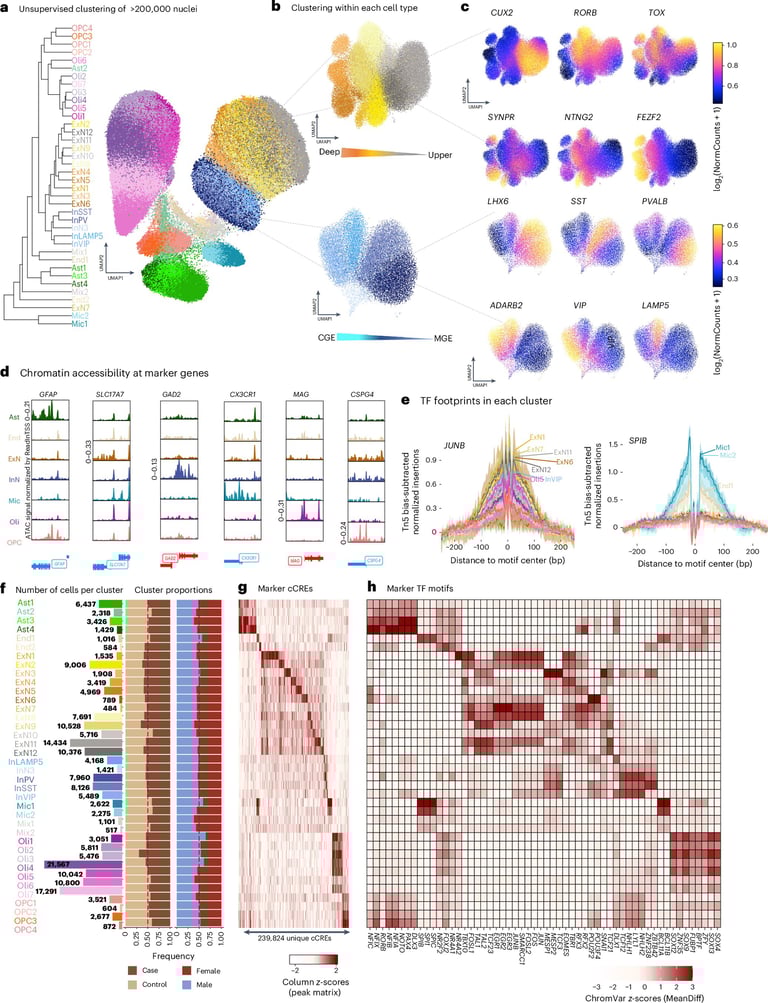

Recent research has identified specific changes in brain cell activity associated with depression, challenging the misconception that it is solely emotional or psychological.
Using post-mortem brain tissue and advanced genomic techniques, scientists analyzed samples from 59 individuals with depression and 41 controls, revealing alterations in two particular brain cell types.
The study, published in Nature Genetics, utilized tissue from the Douglas-Bell Canada Brain Bank, enabling detailed cellular analysis of brain tissue from individuals with psychiatric conditions.
The research found altered gene activity in excitatory neurons involved in mood and stress regulation, as well as in microglia cells responsible for managing inflammation, indicating disruptions in these critical brain systems.
Genetic variants in regulatory regions of DNA that influence gene expression in neurons and microglia were also identified, shedding light on the genetic basis of depression.
These findings pave the way for developing new treatments targeting these specific brain cells, with ongoing research aimed at understanding how cellular changes affect brain function and therapeutic options.
Experts emphasize that understanding these cellular disruptions could lead to more effective, personalized treatments for depression.
The study's results open pathways for creating targeted therapies focused on the affected cell types, potentially revolutionizing depression treatment.
Summary based on 4 sources
Get a daily email with more Science stories
Sources

Medical Xpress • Aug 28, 2025
Depression linked to specific altered brain cells—findings open door to new treatments
Newsroom • Aug 28, 2025
Study linking depression to specific altered brain cells opens door to new treatments
News-Medical • Aug 28, 2025
Research sheds new light on depression’s biological roots
Neuroscience News • Aug 28, 2025
Brain Cells Behind Depression Identified