Colorectal Cancer Surge in Young Adults Spurs Increase in Early Screenings, But Gaps Remain
August 4, 2025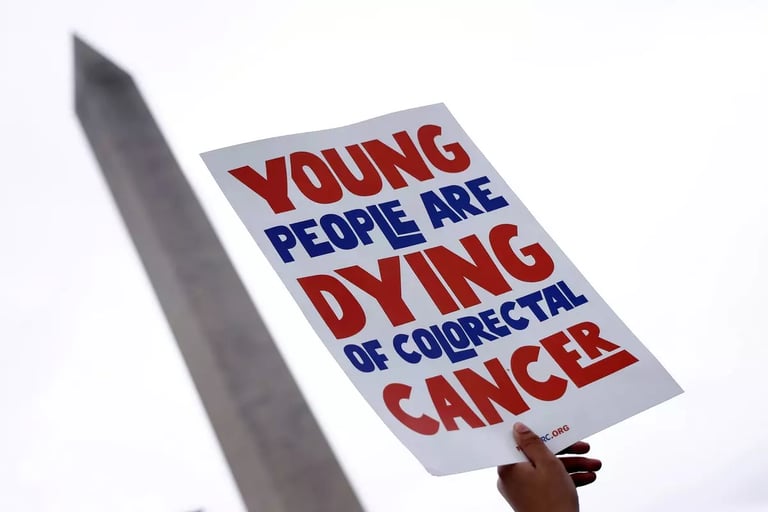

The rise in early-stage colorectal cancer diagnoses among adults aged 45 to 49 is alarming, with cases increasing from 9.4 per 100,000 in 2019 to 17.5 per 100,000 in 2022, marking a significant 50% relative increase between 2021 and 2022.
In response to this trend, the American Cancer Society updated its screening guidelines in 2018 to recommend starting colorectal cancer screenings at age 45, a recommendation echoed by the US Preventive Services Task Force in 2021.
Recent studies published in the Journal of the American Medical Association reveal that screening rates for this age group have surged from approximately 20% in 2021 to around 33% in 2023, indicating a positive shift in preventive healthcare.
Despite these improvements, over one-third of adults aged 45 and older are still not being screened as recommended, highlighting the ongoing need for increased awareness and access to healthcare.
Moreover, fewer than 40% of individuals under 50 are currently screened for colon cancer, underscoring the urgency for enhanced outreach and education efforts.
Experts emphasize that effective screening is crucial, as it significantly reduces mortality rates by identifying and removing precancerous lesions before they develop into cancer.
Common symptoms of colorectal cancer, including rectal bleeding, abdominal pain, and changes in bowel habits, are often overlooked, particularly among younger individuals, leading to delayed diagnoses.
Public health experts stress the importance of recognizing these warning signs and advocating for oneself, especially since many diagnosed under 50 are not eligible for routine screenings.
Optimism surrounds the increase in early diagnoses, as experts believe this trend suggests that more lives are being saved through timely screenings.
The findings from these studies reinforce the critical role of early screening for colorectal cancer and the effectiveness of outreach methods in improving participation rates.
Overall, the changes in screening guidelines have led to earlier-stage diagnoses, which are vital for improving survival rates, with the five-year survival rate exceeding 90% for early-stage colorectal cancer.
Innovative screening methods, such as stool-based tests and automatic mailing of test kits, have shown promise in increasing participation rates, particularly among younger adults.
Summary based on 8 sources
Get a daily email with more Science stories
Sources

Business Insider • Aug 4, 2025
For once, good news: More colon cancers are getting caught early as 40-somethings line up for colonoscopies

Medical Xpress • Aug 4, 2025
Lowering the bowel cancer screening age to 45 shows benefits in the US