Revolutionary MRI Method Could Transform Prostate Cancer Screening with Faster, Cheaper, and Safer Scans
September 11, 2025

Eliminating dynamic contrast-enhanced sequences cuts scan times from 30-40 minutes to 15-20 minutes, decreases resource use, and eliminates risks associated with contrast agents, making the process safer and more efficient.
This advancement marks a significant step toward making prostate cancer diagnosis more accessible, affordable, and efficient worldwide, with potential impacts on screening policies and healthcare resource management.
This research supports a shift in clinical practice towards using faster, less resource-intensive imaging methods, reducing reliance on contrast-enhanced MRI.
The findings come at a crucial time as a major prostate cancer screening trial, TRANSFORM, is set to begin later this year to establish more effective screening protocols.
Studies show that biparametric MRI detects clinically significant prostate cancer at rates comparable to multiparametric MRI—around 29%—with no significant difference in detecting clinically insignificant cancers, confirming its diagnostic efficacy.
The PRIME trial, involving 555 men across 22 hospitals in 12 countries, found that biparametric MRI is as effective as multiparametric MRI in detecting prostate cancer, with both methods showing similar diagnostic accuracy.
A clinical trial led by UCL, UCLH, and the University of Birmingham demonstrated that a faster, cheaper two-part MRI scan, lasting 15-20 minutes, is as effective as the traditional three-part MRI for diagnosing prostate cancer.
These findings could revolutionize clinical practice by enabling more men to access timely MRI scans, especially given the rising global demand, with approximately four million scans needed annually.
A recent study published in JAMA indicates that contrast-free biparametric MRI is as effective as the standard multiparametric MRI in detecting prostate cancer, which could lead to significant changes in screening guidelines.
The two-part MRI omits the use of contrast dye, simplifying the procedure, reducing costs by nearly half in the NHS, and potentially increasing access to prostate MRI scans globally.
Cost analyses show biparametric MRI is significantly cheaper—around $1,591 in the US compared to $2,276 for multiparametric MRI—and even more economical in the UK, highlighting its economic benefits.
Experts advocate for adopting biparametric MRI, emphasizing its benefits in efficiency, safety, and cost, which could lead to increased access and reduced expenses worldwide.
While the results are promising, there is a need for standardization in imaging quality across centers, with tools like the Prostate Imaging Quality scoring system helping ensure consistent diagnostic accuracy.
Summary based on 4 sources
Get a daily email with more Science stories
Sources

Medical Xpress • Sep 10, 2025
Millions of men could benefit from faster scan to diagnose prostate cancer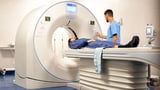
Medscape • Sep 10, 2025
Is Contrast-Free MRI the Optimal Test for PC?
News-Medical • Sep 12, 2025
Faster and cheaper MRI proves effective in detecting prostate cancer
MedpageToday • Sep 11, 2025
Contrast-Free MRI Could Become Standard for Prostate Cancer Diagnosis, Study Says