Gene-Edited Mice Could Combat Lyme Disease on Nantucket: A Bold Step in Public Health Innovation
September 22, 2025

Scientists are collaborating with Martha’s Vineyard residents to evaluate the ecological and ethical implications of releasing genetically modified organisms into the environment, fostering a broader dialogue.
Lyme disease affects nearly 500,000 people annually in the United States, making this genetic intervention a potentially significant public health breakthrough.
While treatable with antibiotics, Lyme disease can cause long-term health complications if untreated, highlighting the importance of innovative solutions like this genetic approach.
Lyme disease is transmitted through tick bites and can cause serious health issues, with Nantucket’s tick population increasing significantly since the 1920s due to environmental changes and deer introduction.
The project aims to balance scientific innovation with societal and ecological considerations, emphasizing ongoing discussions about the risks and benefits of gene editing in wildlife.
Long-term impacts on ecosystems and biodiversity are a concern, and community input remains a vital part of the decision-making process.
If approved, initial testing will occur on a small private island before wider release on Nantucket, with the ultimate goal of reducing Lyme disease cases and their serious health consequences.
Scientists are developing a groundbreaking genetic approach to combat Lyme disease on Nantucket by engineering mice to be immune, aiming to reduce the population of Lyme-carrying mice through biological intervention.
The project plans to release thousands of these genetically modified mice during winter, when native populations are at their lowest, with the goal of decreasing Lyme disease cases as immunity spreads.
White-footed mice are identified as the primary hosts for Lyme bacteria, making them the key target for genetic modification to interrupt the disease transmission cycle.
The initiative is currently awaiting approval from local, federal, and state regulators before trial releases can begin, initially on a small private island, with plans to extend to Nantucket if successful.
Community engagement has been ongoing through town hall meetings, but the project still requires local approval before moving forward.
Summary based on 7 sources
Get a daily email with more Science stories
Sources

The Independent • Sep 22, 2025
Genetically modified mice could help prevent Lyme disease in Nantucket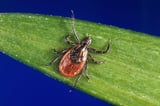
The Independent • Sep 22, 2025
How genetically modified mice could save a Massachusetts vacation town from a disease outbreak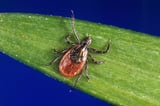

SSBCrack News • Sep 22, 2025
Controversial Genetic Modification Effort Aims to Curb Lyme Disease by Altering Wild Mice - SSBCrack News