ImmunoStruct: Revolutionizing Cancer Immunotherapy with AI-Driven Neoantigen Prediction and Personalized Treatment
January 1, 2026


Multimodal data integration yields a robust, nuanced view of epitope presentation and recognition.
The framework offers an interpretable, powerful tool for identifying immunogenic epitopes and guiding personalized therapies for infectious diseases and cancer.
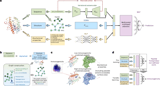
ImmunoStruct advances multimodal deep learning to predict immunogenicity, integrating diverse data types to forecast immune responses to neoantigens.
It sits at the crossroads of immunology, structural biology, and AI, leveraging predicted immunogenic neoantigens to inform cancer immunotherapy strategies.
Key data resources include IEDB and CEDAR for epitope data, with the MHC motif atlas providing binding specificities.
Efforts are underway to expand peptide–MHC coverage and foster collaboration between computational biologists and immunologists to translate predictions into vaccines and therapies.
Validation shows SARS-CoV-2 epitope predictions align with in vitro results, underscoring potential for rapid vaccine development against emerging pathogens.
Foundational works span TCR recognition, antigen processing, MHC presentation, and advances in neural networks and protein structure prediction relevant to immunology.
Core methods combine AI/ML (graph neural networks, attention, self-supervised learning) with structural biology (peptide–MHC complexes, AlphaFold) and comparative tools (NetMHCpan, MHCnuggets, MHCflurry.
Clinical and translational angles are evident through phase trials and immunotherapy approaches like neoantigen vaccines, TCR therapies, and checkpoint blockade combinations.
Trained on a large multimodal dataset of over 26,000 peptide–MHC interactions, enabling learning beyond sequence data alone.
The model’s cancer applications include predicting survival outcomes from peptide–MHC interactions to help personalize therapies.
Summary based on 2 sources
Get a daily email with more AI stories
Sources
Nature • Dec 31, 2025
ImmunoStruct enables multimodal deep learning for immunogenicity prediction
BIOENGINEER.ORG • Jan 1, 2026
ImmunoStruct: Advancing Deep Learning in Immunogenicity Prediction