Portugal Celebrates 40 Years in EU: From Isolation to Integration and Growth
January 1, 2026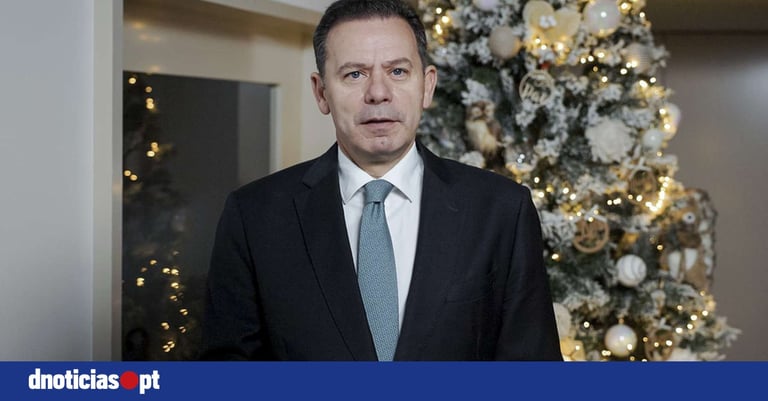

The 1980s and 1990s were a growth-driven period fueled by substantial EU funds, modernizing infrastructure across roads, ports, airports, electrification, water and sanitation, and vocational training.
José Pedro Aguiar-Branco, President of Portugal’s Assembly, commemorates the day as democracy, development, and cohesion, highlighting parliament’s role in the accession process.
Portugal marks 40 years since joining the European Union era of the European Economic Community, noting the adhesion treaty was signed in 1985 and formalized on June 12, 1985, with the accession taking effect on January 1, 1986.
Montenegro underscores ongoing work toward a more prosperous Portugal and a stronger, more cohesive EU.
The narrative frames accession as a turning point that reintegrated Portugal into Europe and ended its provincial isolation after the dictatorship.
EU membership opened new markets, boosted exports and FDI, strengthened the services balance—tourism in particular—and positioned Spain as Portugal’s main trading partner.
There is a sense of nostalgia for the milestone and its lasting impact on Portugal’s democratic and civic life.
The piece carries a publication prompt and subscription call-to-action for Publico’s December 30, 2025 feature, focused on opinion and reflection.
Memory is placed within the broader context of Portugal’s democratic reopening and Europe’s role in the country’s post-dictatorship trajectory.
Eurobarometer data show 89% of Portuguese view EU membership as beneficial and 74% hold a positive image of the EU, yet European election turnout remains relatively low.
EU integration spurred institutional development, social policies, and a market-oriented economy during the transition, shaping Portugal before and after the Treaty of Adesão.
Since accession, Portugal has received about 180 billion euros in EU funds and contributed roughly 58 million euros to the EU budget; net transfers in 2024 were 1.3% of GDP.
Summary based on 11 sources