Breakthrough Study Links Ribosome Modification to Aggressive Breast Cancer Progression
January 12, 2026

The findings indicate cancer involves misregulated protein production in addition to genetic mutations, pointing to a therapeutic direction that targets control of protein synthesis rather than solely DNA alterations.
Future research should explore correcting ribosome-based control of oncogenic translation as a strategy, rather than focusing only on DNA mutations.
Published in Cancer Letters on a date in late 2025, the study emphasizes treating cancer as a disease of misregulated protein production and notes that clinical application requires more work.
The work was published in Cancer Letters and was a collaborative effort among several European universities, with funding from the Swedish Research Council, the Swedish Cancer Society, and the Knut and Alice Wallenberg and Kempe Foundations.
Publication details: Paula Groza et al, Fibrillarin-dependent 2′-O-methylation modulates RPS28 ribosome incorporation and oncogenic translation, Cancer Letters, 2026; DOI: 10.1016/j.canlet.2025.218124.
A Umeå University study reveals how aggressive triple-negative breast cancer can fine-tune protein production, influencing tumor growth and adaptation.
The same Umeå University research identifies a mechanism by which ribosome modification and assembly control protein production in aggressive triple-negative breast cancer.
The study reports a newly discovered mechanism in which aggressive triple-negative breast cancer modulates protein production through ribosome modification, potentially affecting tumor growth and adaptation.
Fibrillarin collaborates with the ribosomal protein RPS28 to form specialized ribosomes; when fibrillarin is absent, RPS28 levels fall, causing ribosomal heterogeneity and altered protein synthesis that can drive cancer.
A pivotal control point involves 2′-O-methylation of ribosomal RNA by fibrillarin, shaping ribosome construction and the spectrum of proteins produced.
The core finding is that fibrillarin-driven RNA methylation partners with RPS28 to generate specialized ribosomes with distinct protein-production profiles that influence cancer progression.
Overall significance: the work offers a new angle on how aggressive breast cancers adapt and grow by changing protein production through ribosome modification, suggesting a potential path for novel therapies.
Summary based on 3 sources
Get a daily email with more Science stories
Sources

EurekAlert! • Jan 12, 2026
Discovery on how aggressive breast cancer controls protein production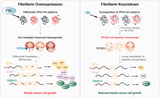
Medical Xpress • Jan 12, 2026
How aggressive breast cancer controls protein production
News-Medical • Jan 12, 2026
Researchers discover how aggressive breast cancer controls protein production