Germany to Acquire Significant Stake in TenneT Deutschland for €8.9 Billion to Boost Energy Transition
January 13, 2026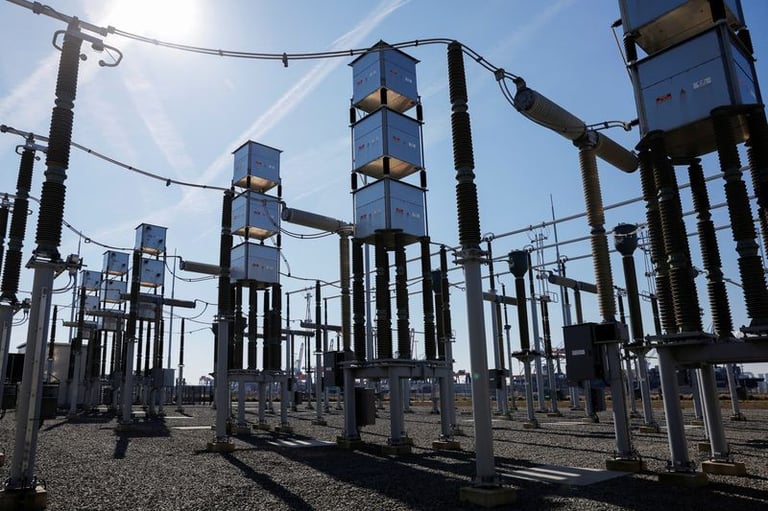

Germany is moving to take a significant stake in TenneT Deutschland, with a purchase valued at roughly €7.6–€8.9 billion, giving the state influence over the German arm of the Dutch grid operator.
The government is nearing a 25.1% stake in Tennet Deutschland and plans about €7.6 billion in investments in coming years to fund grid expansion.
TenneT, a Dutch state-owned company, has sought to divest its German operations as Germany’s long-term grid investment needs exceed what the Netherlands is willing to back.
The rationale cited emphasizes aligning with energy policy goals, enabling network expansion and modernization, and safeguarding critical infrastructure through ownership influence.
The deal aims to unlock funding and reduce financing costs to expand Germany’s high-voltage transmission network for the energy transition, moving renewables from north to south.
TenneT operates the critical high-voltage grid that connects renewable generation to consumers and industry, underscoring its strategic role in Europe’s energy transition.
Berlin seeks greater control over energy infrastructure by expanding state influence in key transmission assets to fund the energy transition.
Germany already holds stakes in other transmission operators via KfW, such as 20% in 50Hertz and 24.95% in TransnetBW, as part of a broader grid modernization strategy.
The stake would be financed through a KfW-backed special-purpose vehicle, with a block on expenditures currently in place and potential approval needed from the Finance Ministry to lift it.
The arrangement involves €5.76 billion for buying shares and a capital increase for grid upgrades, with additional funding provided to KfW as guarantees and managed by KfW.
TenneT remains in constructive talks with KfW about the investment, with results to be announced once discussions conclude.
The new framework allows Germany to inject capital while gaining strategic influence over investment planning, potentially lowering financing costs and stabilizing balance sheets for multi-decade grid projects.
Summary based on 3 sources
Get a daily email with more EU News stories
Sources
OilPrice.com • Jan 12, 2026
Germany Seals $9.6B TenneT Deal to Ease Power Grid Bottlenecks
MarketScreener • Jan 12, 2026
Germany finalises deal on TenneT stake purchase, Politico reports