Global Deltas Sinking Faster Than Sea Levels, Threatening 236 Million with Flood Risks
January 14, 2026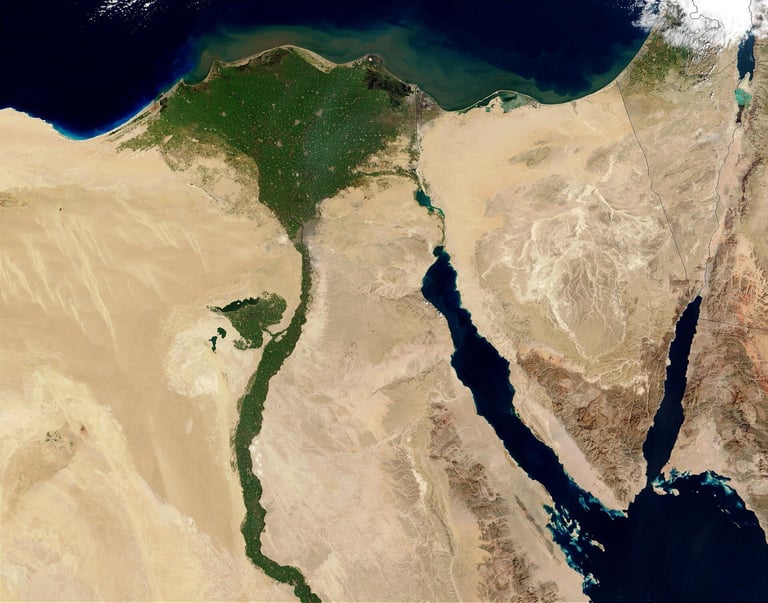

Deltas most affected include the Mekong, Nile, Chao Phraya, Ganges–Brahmaputra, Mississippi, and Yellow River systems.
Researchers used high-resolution satellite radar to map surface elevation change at about 75 square meters per pixel, delivering the first delta-wide, high-resolution view of elevation loss across 40 deltas.
Groundwater storage loss, reduced sediment flux, and urban expansion emerge as key drivers, with a random forest model showing groundwater depletion as the dominant predictor for subsidence.
The study emphasizes that subsidence is already occurring and driven by human choices, pointing to policy and management changes—such as sustainable groundwater use and sediment management—as part of the solution.
Population growth and rising water demand amplify subsidence through increased groundwater pumping, while dams and river-control measures curb sediment delivery, reducing natural compensation.
The main causes identified are groundwater withdrawal, diminished sediment supply, and rapid urbanization.
Mitigation suggestions include reducing groundwater extraction, recharging aquifers with floodwater or treated wastewater, using controlled flooding and sediment diversions, and restricting heavy infrastructure in subsidence-prone zones, alongside flood protection and climate adaptation.
A new global assessment finds subsidence is occurring in nearly all deltas studied, with some areas sinking faster than sea level rise and subsidence already exceeding local SLR in 18 of 40 deltas, raising near-term flood risk for more than 236 million people.
Policy relevance is high: delta-wide subsidence and groundwater management must be integrated into coastal adaptation strategies and risk assessments.
Urban growth and reduced sediment delivery contribute to sinking, with groundwater pumping singled out as the most influential anthropogenic factor across deltas studied.
Subsidence, driven largely by groundwater extraction, is a major driver of land loss, coastal flooding, and saltwater intrusion at deltas.
Groundwater depletion emerges as the strongest overall predictor of sinking, though drivers vary by region.
Summary based on 3 sources
Get a daily email with more Science stories
Sources
Nature • Jan 14, 2026
Global subsidence of river deltas
Phys.org • Jan 14, 2026
Major river deltas are sinking faster than sea-level rise, study shows
Live Science • Jan 14, 2026
18 of Earth's biggest river deltas — including the Nile and Amazon — are sinking faster than global sea…