Study Reveals Memory Decline Linked to Global Brain Changes, Not Single Region
January 14, 2026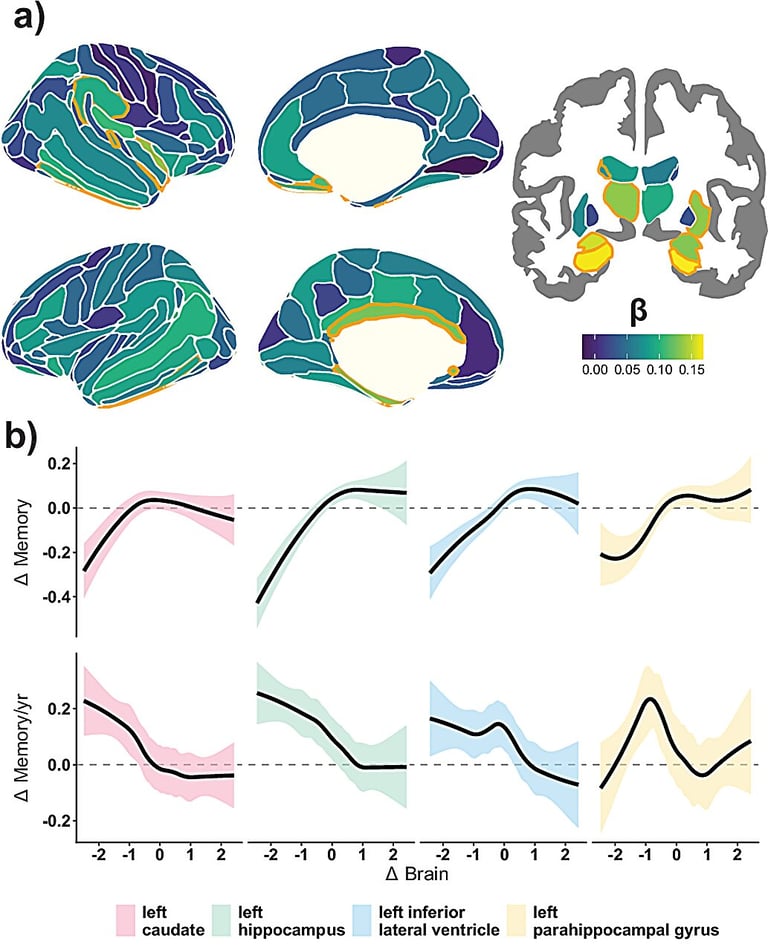

The study shows memory decline in aging stems from widespread brain changes rather than a single region, with the hippocampus strongest but not sole, and multiple cortical and subcortical areas contributing.
Memory changes reflect broad, decades-long brain structural vulnerability rather than a single region or gene, influenced by factors beyond classic Alzheimer’s risk genes like APOE ε4.
Alvaro Pascual-Leone notes that memory decline arises from broad brain structure changes, not isolated factors.
Published in Nature Communications, the findings point to potential early identification of at-risk individuals and personalized interventions to maintain cognitive health across the lifespan.
The study represents a major international collaboration among researchers across Oslo, Barcelona, Cambridge, Max Planck Institutes, Geneva, Umeå, and other partners, pooling diverse cohorts for a mega-analysis.
A mega-analysis combined more than 10,000 MRI scans with over 13,000 memory assessments from 3,700 cognitively healthy adults across 13 studies to examine aging-related memory decline.
The same mega-analysis incorporated MRI data (over 10,000 scans) and memory tests (over 13,000) from 3,700 healthy adults across 13 studies to explore aging’s impact on memory.
The findings offer a nuanced view that could inform risk assessment and tailor interventions across the lifespan, focusing on global brain health.
Early identification and personalized interventions to preserve cognitive health are supported by considering global brain health rather than a single brain region or gene.
Publication details: Nature Communications, 2025, Didac Vidal-Piñeiro et al., DOI: 10.1038/s41467-025-66354-y.
Across regions and cohorts, the pattern supports global brain vulnerability in aging rather than region-specific aging.
Summary based on 2 sources
Get a daily email with more Science stories
Sources

ScienceDaily • Jan 14, 2026
Massive brain study reveals why memory loss can suddenly speed up with age
Medical Xpress • Jan 13, 2026
Mega-analysis links widespread brain shrinkage to memory decline in aging