South Korea and Italy Forge Deeper Ties in AI, Aerospace, and Cultural Exchange
January 19, 2026


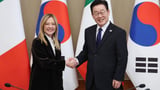
During Meloni’s Seoul visit, South Korea and Italy agreed to deepen bilateral cooperation across artificial intelligence, aerospace, semiconductors, and critical minerals, aiming to enhance strategic tech and industrial ties.
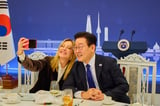
Meloni highlighted cultural cooperation by noting her daughter is a K-pop fan, underscoring a push to expand cultural content exchanges alongside industrial collaboration.
The two sides also outlined memoranda of understanding on cultural heritage, landscape cooperation, civil protection, and disaster risk management, signaling a broad cooperation agenda beyond economics.
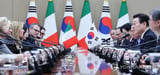
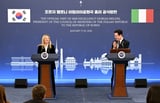
The summit program included a small bilateral meeting, an expanded talks session, an MOU signing, a joint press conference, and a formal luncheon.
The summit aims to strengthen supply chain resilience, expand human exchanges, and deepen cultural and people-to-people ties, with broader political dialogue encouraged through more visits and exchanges.
Coverage of the event appeared in Yonhap via IANS as part of Social News XYZ’s gallery coverage of the summit.
This was their second summit, following a September meeting on the sidelines of the UN General Assembly in New York.
The talks built on their prior New York encounter, continuing to strengthen a growing strategic partnership.
Decor and snacks at the event blended national symbols with contemporary pop culture to reflect shared identity and cultural exchange.”
The joint press release outlined steps for information and expert exchanges, risk-reduction in civil protection and cultural heritage, and stronger private-sector cooperation in semiconductors.
Leaders proposed expanding the strategic dialogue and creating a 2026–2030 bilateral action plan to align priorities and enhance regional security and global collaboration.
The Blue House released statements detailing the agreements and discussions after the summit, providing official confirmation of the outcomes.
Summary based on 48 sources