Blistering Heatwave in Australia: Climate Change Multiplies Risks, Spurs Urgent Adaptation Calls
January 22, 2026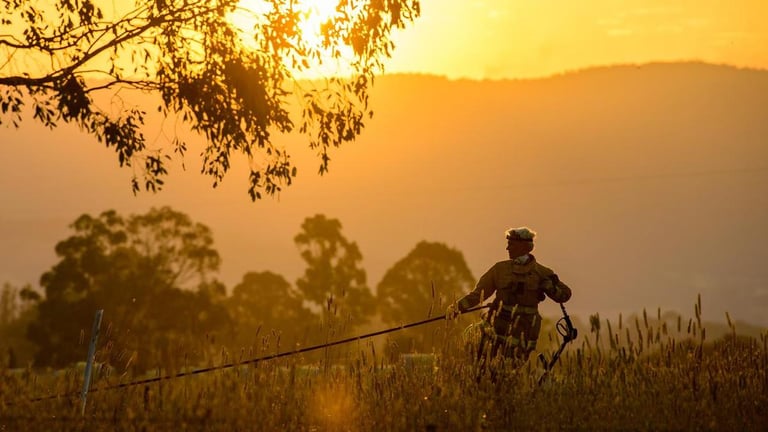


The World Weather Attribution project projects such intense three-day heatwaves could occur roughly every five years, potentially doubling in frequency by the end of the century if warming reaches about 2.6C above pre-industrial levels.
Vulnerable groups—elderly, residents in poorly insulated housing, and those without cooling—face the heaviest burden as extreme heat becomes more common.
While the El Niño–Southern Oscillation naturally influences yearly warmth and rainfall, the current heat extremes exceed these natural cycles.
Australia’s national climate risk assessment warns heatwave–related deaths could rise more than 400% in Sydney and over 250% in Melbourne with about 3C of warming.
Experts describe the heat as a total transformation of Australian summers, with what was once extraordinary heat becoming a recurring norm during schooling years.
Researchers emphasize that climate change is driving the extreme heat more than natural variability such as La Niña.
A blistering heatwave in southern Australia was made five times more likely by climate change, signaling a dramatic shift in the region's summer conditions.
Fires from the event destroyed over 900 structures and killed tens of thousands of livestock, underscoring the substantial toll on both property and agriculture.
Health impacts were severe, with a 25% rise in emergency admissions at hospitals and widespread strain across Victoria as temperatures spiked to 44C and fires ravaged communities.
Experts warn of broader health risks tied to extreme heat, including mental health issues and worsened sleep apnea, highlighting a need to adapt cities and health systems to the new climate reality.
Summary based on 1 source
Get a daily email with more Climate change stories
Source

The West Australian • Jan 22, 2026
Climate change made heatwave five times more likely