Seismic Data Revolutionizes Space Debris Tracking: New Study Proposes Safer Aviation and Rapid Recovery
January 22, 2026


The Science study, led by Johns Hopkins and Imperial College London researchers, used data from multiple debris events, including the 2024 Chinese crew capsule module reentry, to map trajectory and fragmentation with over 120 seismometers.
New findings show sonic-boom seismic readings extended predicted debris paths by about 30 kilometers south compared with radar alone, demonstrated with events including SpaceX Starship fragments.
Seismic methods can provide insights during high-speed atmospheric descent when debris breaks apart, offering information not always captured by ground-based radar.
The approach is not expected to detect all debris—smaller fragments or high-altitude disintegrations may escape sonic-boom detection and should be used alongside radar, optical, and satellite tracking.
Experts say seismic data can complement radar, enhancing rapid assessment after reentry but cannot replace radar alone.
While promising, the method’s effectiveness depends on data quality and coverage, and independent ground observations remain limited.
Published in Science, the research also notes potential future use of existing nuclear blast monitoring networks to triangulate sonic booms and refine descent paths, alongside NASA’s planned controlled deorbit strategies for future objects.
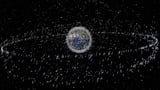
As Earth's orbital environment grows crowded with satellites, rapid identification of debris fall-out zones will become increasingly important for tracking and mitigation.
A new study proposes using seismic and sonic-boom data to rapidly determine the speed, direction, and breakup of space debris during atmospheric entry, enabling quick debris recovery and safer outcomes for aviation and nearby populations.
Researchers demonstrated that a seismic network captured both the initial large boom and subsequent smaller boom trains from cascading fragmentation, allowing a detailed reconstruction of the object’s flight and breakup.
Compared with radar, seismic measurements can better define the post-entry trajectory and reduce large uncertainties, potentially improving prediction accuracy.
Current limitations include strong space-based tracking but difficulties during atmospheric entry, with seismic data offering a complementary path to refine descent trajectories and identify debris fall-out zones quickly.
Summary based on 13 sources
Get a daily email with more World News stories
Sources

Yahoo News • Jan 22, 2026
Study shows how earthquake monitors can track space junk through sonic booms
AP News • Jan 22, 2026
How earthquake detectors can track space junk | AP News
ABC News • Jan 22, 2026
Study shows how earthquake monitors can track space junk through sonic booms