Night Owls Face Higher Heart Attack and Stroke Risk, Study Finds
January 28, 2026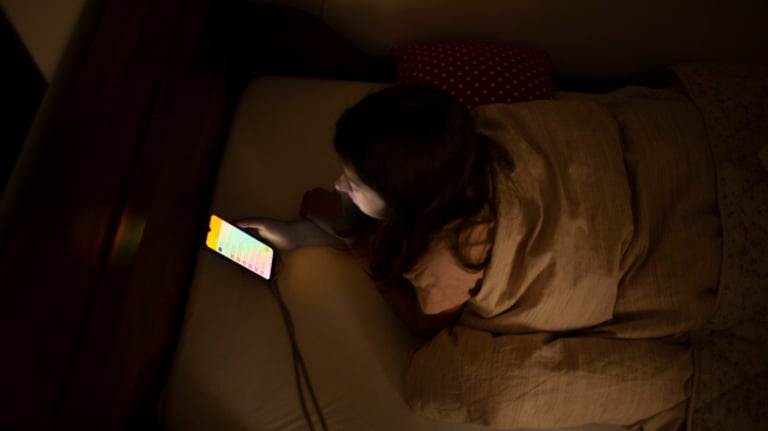

Evening-type or ‘night owl’ individuals show poorer cardiovascular health and a 16% higher risk of heart attack and stroke than intermediate chronotypes, based on a study of more than 320,000 British adults aged 39 to 74.
Public health guidance suggests prevention should focus on night-time sleepers improving lifestyle habits—sleep regularity, quitting smoking, optimizing light exposure and meal timing, and increasing physical activity in small steps when full changes aren’t feasible.
The research used LE8 factors to assess heart health, covering four behaviors (diet quality, physical activity, sleep duration, nicotine exposure) and four health factors (blood pressure, BMI, blood sugar, blood lipids).
The article endorses science journalism and invites readers to subscribe to Scientific American for ongoing coverage.
The study in the Journal of the American Heart Association received partial funding from the American Heart Association.
Experts caution that the observed associations are modest and observational, not proving causation; absolute risk varies by population.
Experts cited, including Kristen Knutson and Sonia Tolani, discuss internal versus social clocks and advocate practical, incremental lifestyle changes.
Limitations include a predominantly white, middle-aged to older, UK Biobank sample, with chronotype self-reported and data largely self-reported.
Additional limitations noted: reliance on self-reported chronotype, a white-biased sample, single-point health measurements, and calls for research into genetic and sex-specific factors.
Other study constraints involve a healthier-than-average sample and lack of repeated objective assessments.
Findings complement the American Heart Association’s stance that sleep quality and duration are key to cardiovascular health, alongside other lifestyle factors.
The results align with AHA guidance on the importance of good sleep and suggest circadian misalignment may affect heart risk via behavioral pathways, rather than solely biological factors.
Summary based on 15 sources
Get a daily email with more Science stories
Sources

NBC News • Jan 28, 2026
People who stay up late may have worse heart health, depending on their body clock
ABC News • Jan 28, 2026
'Night owl' lifestyle may bring higher risk of heart disease: Study
Scientific American • Jan 28, 2026
Like staying up late? You may be putting yourself at risk of heart problems
Medical Xpress • Jan 28, 2026
Being a night owl may increase your heart risk, research suggests