Vietnam Targets 'Tiger Economy' Status by 2045 with High-Tech Manufacturing and Diversified Markets
January 5, 2026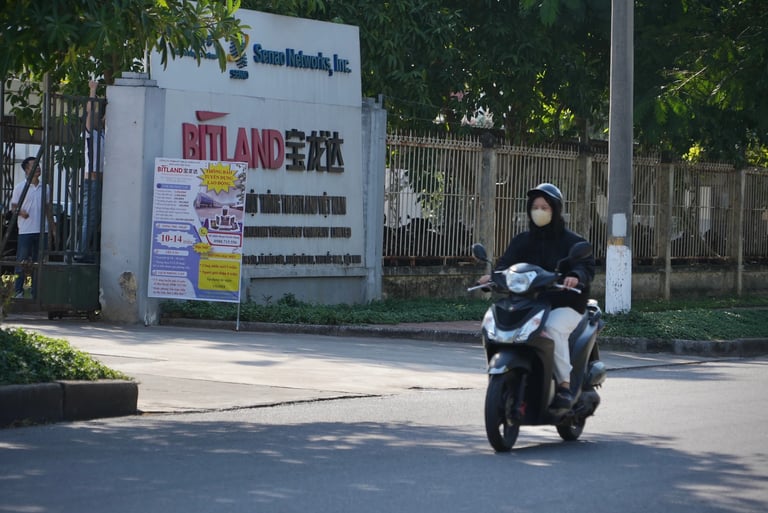

Vietnam aims to become Asia’s next tiger economy by 2045, moving from low-cost assembly to higher-value electronics, clean energy equipment, and other advanced manufacturing, supported by tax incentives, rented infrastructure, and expanded market diversification beyond the United States.
To reduce reliance on the U.S. market, Vietnam plans to expand exports to the Middle East, Latin America, Africa, and India while continuing to attract foreign investment and upgrade production capabilities.
Vietnam faces rising labor costs, with increases around 10% to 15% since 2024, creating challenges in attracting and retaining workers and signaling limits to the current growth model.
Factories continue relocating from China due to tariff frictions, with ongoing inflows from Japanese, Korean, and increasingly Chinese firms seeking lower costs and proximity to Vietnam’s electronics and other sectors.
Vietnam launched 234 major projects worth over $129 billion ahead of a January National Party Congress, signaling a coordinated push to sustain growth and attract investment.
In December, Bac Ninh expanded an industrial zone for high-tech manufacturing as part of a nationwide push involving hundreds of projects to bolster growth before the pivotal party congress.
Labor and cost pressures are pushing firms to offer higher wages and incentives, with some manufacturers relocating parts of production to other Southeast Asian countries to diversify risk.
Analysts say the race to move production away from China is accelerating, but Vietnam’s gains depend on improving infrastructure, labor supply, and supply-chain efficiency to sustain high-value manufacturing.
Labor shortages and infrastructure limits add risk to Vietnam’s transition from low-cost assembly to higher-value manufacturing.
While China remains essential for technology transfer and ecosystem advantages, firms are diversifying due to tariffs and a desire to avoid over-reliance on a single country.
Bac Ninh and northern Vietnam have attracted Chinese, Japanese, and Korean firms since the 2008 Samsung factory, expanding high-tech and electronics manufacturing and reinforcing Vietnam’s role in regional supply chains.
Chinese firms are increasing their presence in Bac Ninh to diversify away from tariffs and leverage Vietnam’s electronics supply chain and pro-business governance.
Summary based on 3 sources
Get a daily email with more World News stories
Sources

ABC News • Jan 5, 2026
This Vietnamese town boomed as factories left China. Now it’s asking what’s next?

The Morning Sun • Jan 5, 2026
This Vietnamese town boomed as factories left China. Now it’s asking what’s next?