Australia Plans Sweeping Hate Speech Laws to Protect Disabled and LGBTQIA+ Communities
January 7, 2026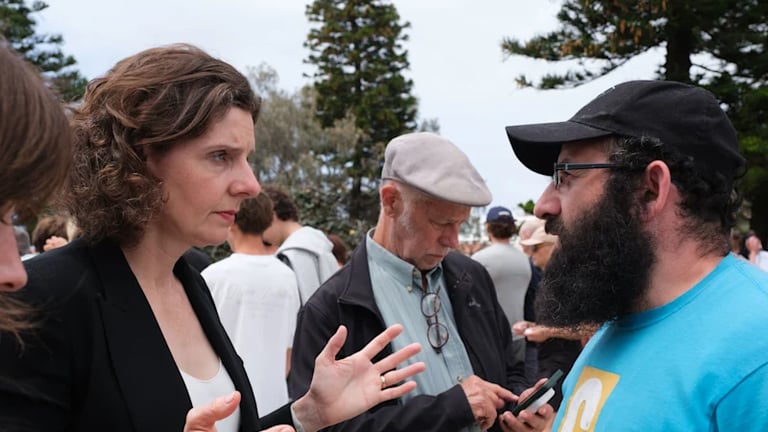

Attorney General Rowland’s office has not commented publicly on the specifics of the draft legislation.
Parliamentarians are reviewing the draft bill and planning consultations in the days ahead to ensure the measures are comprehensive and properly framed.
Independent MP Allegra Spender calls for a clear ban on spreading hate and division, notes the difficulty of proving incitement to violence, and emphasizes protecting Bondi’s Jewish community.
Prime Minister Anthony Albanese stresses careful consultation and avoiding rushed passage due to constitutional implications, seeking a balance between rights and protections.
Home Affairs Minister Tony Burke signals a new serious vilification offence that would criminalise incitement to hatred, with plans to consult closely with Jewish communities and others on the structure.
Past protests and inflammatory rhetoric, cited from 2023 and 2024, illustrate the kinds of speech the expansions aim to address.
Advocates push for a broad approach that bans incitement to hatred and expands offences beyond threats, including addressing anti-Jewish rhetoric such as references to the final solution and jihad against the Jews.
The Executive Council of Australian Jewry backs expanded protections for all minority groups and notes missed opportunities to outlaw serious vilification.
Some critics advocate an aggravated hate speech offence for leaders or preachers who promote violence against protected groups and support criminalising serious vilification of disabled people.
The government is preparing expanded federal hate speech laws that would broaden protections beyond antisemitism and racial vilification to include disabled Australians and LGBTQIA+ individuals, with potential criminal offences for incitement and vilification.
Historically, Parliament has rejected broader serious vilification amendments in favor of narrower restrictions on violent speech.
Opposition leaders cautioned that reforms must protect free speech while specifically addressing real threats from radical extremism and antisemitism.
Summary based on 2 sources
Get a daily email with more World News stories
Sources

The Sydney Morning Herald • Jan 6, 2026
‘We need to draw a bright line’: Government readies new hate speech laws
Star Observer • Jan 7, 2026
Disability and LGBTQ+ Advocates Call For Expanded Federal Hate Speech Laws