Breakthrough Stem Cell Therapy Restores Brain Function in Mice Post-Stroke, Promising Hope for Human Recovery
January 8, 2026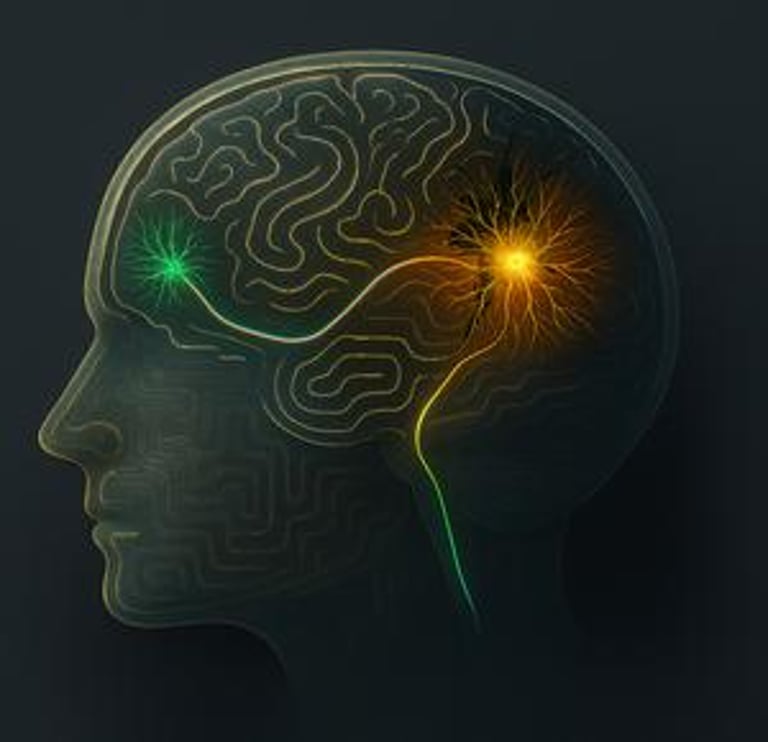

A stem cell therapy approach enables transplanted human neurons to survive, integrate into brain circuits, and restore function in mice after stroke.
Researchers from Sanford Burnham Prebys and Duke-NUS used small molecules and structural proteins to protect transplanted cells in the hostile post-stroke brain, supporting survival and growth into damaged regions.
After transplantation, the neurons can still navigate to correct targets in the mature injured brain, addressing a major hurdle in neural regeneration.
Machine learning classified neuron subtypes and predicted their projections, providing a framework to select cell types for targeted circuit reconstruction.
The study was funded by the National Medical Research Council of Singapore and Duke-NUS Medical School, led by Su-Chun Zhang and Zhifu Wang, with senior authorship shared with Danyi Zheng; DOI: 10.1016/j.stem.2025.12.008.
Researchers identified four neuronal subtypes among the transplanted cells, each with distinct gene expression guiding axonal growth to specific brain regions, and removing transcription factor CTIP2 altered projection patterns to confirm regulatable circuit integration.
Transplanted neurons form connections by extending axons to defined brain regions, guided by intrinsic transcriptional codes; single-nucleus RNA sequencing and barcoded retrograde tracing revealed these patterns.
Transcription factors, notably Ctip2, influence projection patterns, indicating that tweaking neuronal subtypes can steer circuit reconstruction toward desired pathways.
Findings suggest that selecting the right neuronal subtypes could enable targeted restoration of damaged circuits in stroke patients, marking a significant advance for regenerative brain therapies.
The study underscores that using the right neuronal cell types is crucial for targeted circuit repair, signaling promise for regenerative medicine in neurological conditions.
Overall, the approach points to a promising strategy for treating neurological diseases by promoting regeneration and neural transplantation with potential implications for stroke recovery and broader neurodegenerative conditions.
Summary based on 3 sources
Get a daily email with more Science stories
Sources
EurekAlert! • Jan 8, 2026
Stem cell therapy for stroke shows how cells find their way in the brain
Medical Xpress • Jan 8, 2026
Stem cell therapy for stroke shows how cells find their way in the brain
GEN - Genetic Engineering and Biotechnology News • Jan 8, 2026
Stem Cell-Derived Neurons Navigate to Form Connections in the Injured Brain