Australia's Digital Duty of Care Sparks Global Debate on Social Media Restrictions for Under-16s
October 1, 2026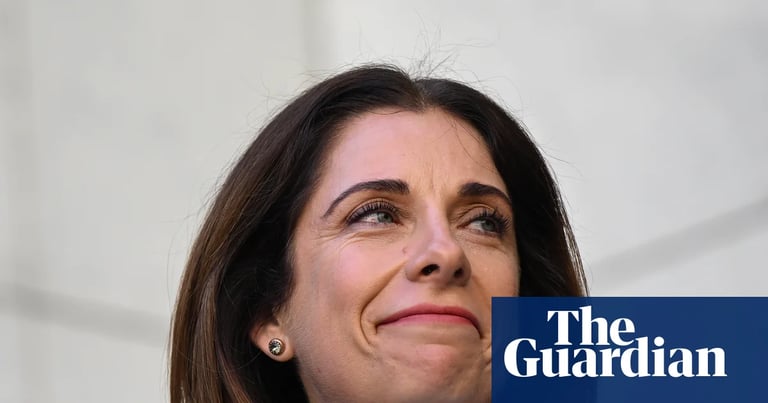


Australia’s federal minister Anika Wells led the country’s controversial under-16 social media ban and champions a Digital Duty of Care framework, a policy push that has sparked interest worldwide and prompted Australia to tighten rules to withstand legal scrutiny.
Opposition critics, including the shadow communications minister, argued the ban represents broad online restrictions and dismissed it as a failure.
The Digital Duty of Care plan would let users opt out of algorithms that push dangerous or divisive content, a concept that has drawn pushback from big tech and some political opponents.
Wells faced backlash over travel expenses tied to promoting the ban at the UN General Assembly in 2025, including costs for herself and two staffers associated with meetings with major tech executives.
Wells emphasizes that progress is a team effort, describing leadership as collaborative and pushing a framework that gives users more control over algorithm-driven content.
Julia Gillard publicly praised Wells for leading world‑leading reforms to protect young people online and positioning Australia at the center of global online safety and Big Tech accountability discussions.
New laws would strengthen the eSafety Commissioner’s powers and penalties to enforce the ban, building on an initial list of ten platforms and others added through self‑assessments.
Time magazine named Wells on its Time100 Next list for her work on Australia’s digital agenda and her leadership on the under-16 ban against big tech.
A draft Digital Duty of Care is expected to be introduced to Parliament later this year, following recommendations from a 2024 Online Safety Act review.
Time100 entries acknowledge Wells’ influence while noting ongoing debates about the ban’s effectiveness and enforcement, and broader online safety reforms in Australia.
The Digital Duty of Care would extend to multiple online spaces beyond social media, including search engines, AI chatbots, dating apps, gaming, messaging, and even pornography sites.
Australia’s pioneering restrictions on social media for children have drawn international attention and inspired similar measures across Europe, parts of Asia, and certain U.S. jurisdictions.
Summary based on 2 sources