Gut Microbiota Mechanism Links Dysbiosis to Obesity; Potential Therapies Identified
October 12, 2026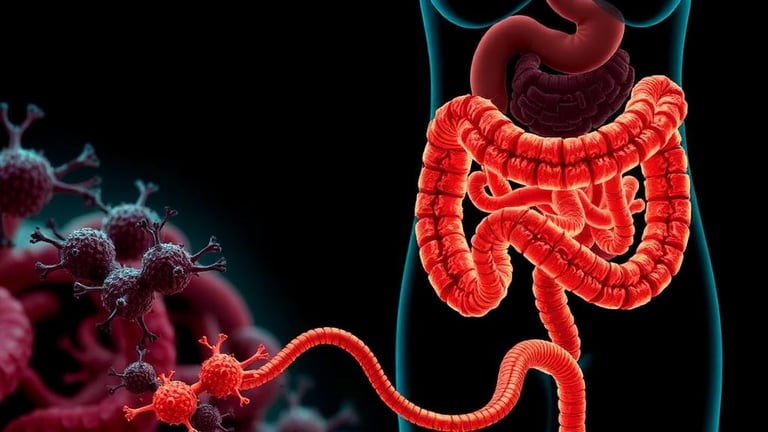

A cross-species study identifies a gut microbiota–driven mechanism linking dysbiosis to obesity through an LPS–EGR1–PI3K–Akt inflammatory axis in macrophages.
Transcriptomic analyses across pigs and long-tailed macaques consistently highlight EGR1 as a central transcription factor driving obesity-associated inflammation, with PI3K–Akt signaling linked to macrophage polarization.
The proposed conserved LPS–EGR1 axis posits that gut dysbiosis increases circulating LPS, which activates EGR1 in macrophages, driving M1 polarization and sustained metabolic inflammation that worsens obesity, creating a self-reinforcing loop by further compromising gut barrier integrity.
Supplementation with Clostridium butyricum or butyrate in high-fat diet mice reverses obesity and restores gut microbial balance, implicating these as potential therapeutic agents.
Arginine, alongside live C. butyricum, butyrate, and EGR1 inhibition, effectively dampens weight gain and M1 polarization in models, suggesting diet, probiotics, and pharmacology can converge on the same inflammatory hub.
Two intervention strategies validate causality: computational EGR1 knockout in regulatory networks disrupts PI3K–Akt dependence on EGR1, and pharmacological EGR1 inhibitor IT25 similarly disrupts the axis, supporting EGR1 as an upstream regulator in the inflammatory cascade.
Fecal microbiota transplantation from obese-prone to lean pigs transfers adiposity and reduces butyrate-producing bacteria, indicating the microbial community itself can promote weight gain.
In pigs, lean versus adiposity-prone breeds show higher LPS and lower Clostridium butyricum with reduced butyrate in the adiposity-prone animals, suggesting a causal microbial pattern associated with fat accumulation.
Single-cell RNA sequencing reveals macrophage heterogeneity: high EGR1 expression correlates with pro-inflammatory M1 macrophages, while low EGR1 aligns with anti-inflammatory M2 macrophages, contributing to insulin resistance when tilted toward M1 in obesity.
Summary based on 1 source
Get a daily email with more Science stories
Source
BIOENGINEER.ORG • Oct 11, 2026
Gut Microbe and Its Fatty Acid Break the Inflammatory Loop That Drives