In Vivo CAR-NK Cell Engineering Revolutionizes Cancer and Autoimmune Disease Treatment
October 13, 2026

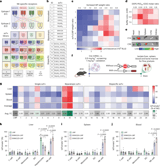
In vivo engineering of CAR-NK cells is achieved using ligand-directed lipid nanoparticles that deliver CAR-encoding mRNA directly to natural killer (NK) cells in living organisms, enabling endogenous CAR NK cell production without extracting cells.
The approach employs ionizable lipid nanoparticles with biparatopic ligands targeting NK cell receptors (notably NKG2D) to reach high transfection efficiency, delivering mRNA that encodes chimeric antigen receptors for NK cells.
Experiments in mouse models show the method reprograms a large fraction of targeted NK cells and yields therapeutic effects against melanoma and T cell lymphoma, with tumor destruction observed after multiple injections.
In solid tumor models, delivering an mRNA inhibitor of the NKG2A checkpoint relieves tumor-induced NK cell suppression and enhances NK cell–mediated killing.
The system has demonstrated in vivo generation of CAR NK cells that can deplete circulating B cells in healthy mice, indicating functional activity distributed throughout the vasculature.
Autoreactive T cells can be targeted by CD3-specific CAR NK cells in autoimmune hepatitis models, eliminating autoreactive T cells and promoting liver repair, suggesting applications beyond cancer.
Compared to conventional ex vivo CAR NK generation, in vivo reprogramming shows similar tumor eradication outcomes in mice, highlighting potential workflow simplification and cost reductions.
Optimized NtLNPs enable human CAR NK cell generation in humanized mouse models bearing hematologic malignancies, driving tumor regression in Raji lymphoma and T cell leukemia models, with cross-species activity evident.
The work emphasizes potential shifts toward a more accessible CAR therapy paradigm, while acknowledging the need for dose optimization and human clinical trials.
Safety assessments in mice after repeated dosing showed no overt toxicity, with monitoring of cytokines, organ function, body weight, and anti-drug antibodies.
Results and data are transparently presented in the paper and Supplementary Information, accessible through Nature journal resources.
The NtLNPs incorporate targeted design to maximize NK cell uptake and minimize off-target effects, contributing to a robust delivery platform for CAR mRNA.
Summary based on 3 sources
Get a daily email with more Science stories
Sources
MIT News | Massachusetts Institute of Technology • Oct 13, 2026
Reprogrammed NK immune cells target cancer and autoimmune disorders
BIOENGINEER.ORG • Oct 13, 2026
Lipid nanoparticles reprogram natural killer cells inside the body to fight