Sylvia Earle's Diving Gear Chronicles Decades of Ocean Conservation and Oil Spill Impact
October 15, 2026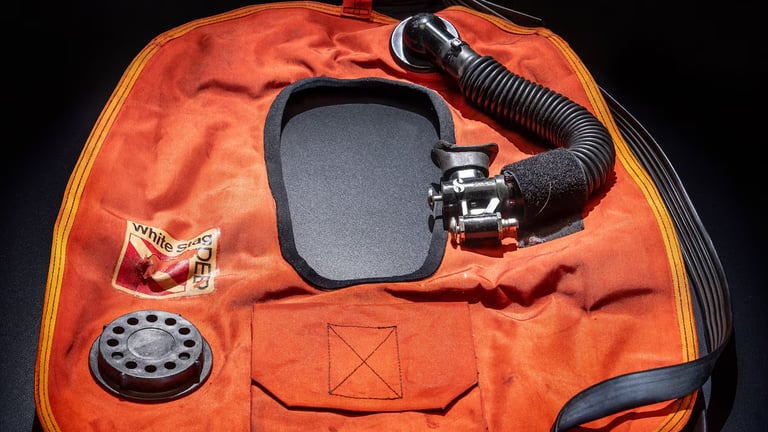

Diving fins from a 1991 Persian Gulf trip are part of a broader collection that highlights Sylvia Earle’s work documenting oil spill impacts beneath the surface.
Earle led the first all-woman aquanaut research team in 1970 and later became NOAA’s first female chief scientist, while also serving as National Geographic Explorer at Large and a Rolex Testimonee.
Today she continues diving with newer gear and argues that modern science provides opportunities to protect the ocean, viewing the current era as exceptionally favorable for scientists.
The vest associated with Earle is part of a wider archive of gear, contributing to her nickname “Her Deepness” after she set the deepest untethered ocean-floor walk record in 1979.
A National Geographic magazine version of the story appears in the November 2026 issue, signaling its broader reach.
During the Persian Gulf War era, Earle and her team observed extensive oil contamination affecting mangroves, seagrass, and underwater habitats, challenging the belief that spills were only surface-level issues.
Earlier work included documenting the Exxon Valdez spill in Alaska, illustrating her longitudinal engagement with major environmental disasters.
The expedition showed that oil can sink and spread through marine ecosystems, leaving lasting stains on Earle’s fins as a personal reminder of the damage.
In the mid-1970s, Earle wore a sea-beaten vest designed to adjust buoyancy, reflecting her pioneering role as an aquanaut and diver.
Summary based on 1 source
Get a daily email with more Science stories
Source
History • Oct 15, 2026
The Gear That Kept Ocean Maverick Sylvia Earle Afloat