$257M in COVID Grants Paid to Ineligible Businesses: IBAC Uncovers Systemic Integrity Failures
October 15, 2026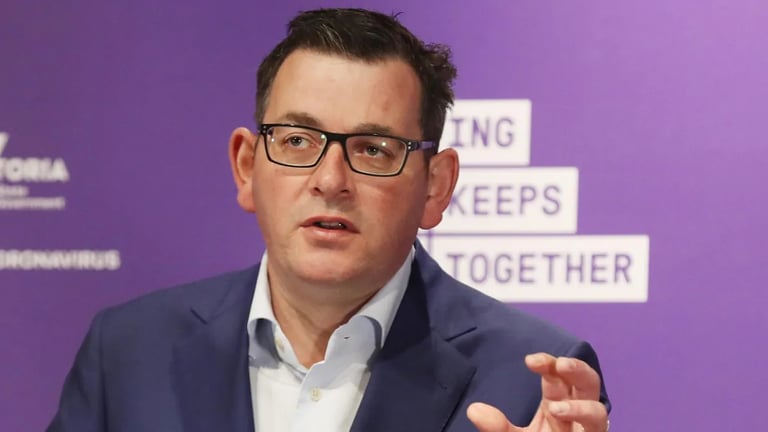

IBAC, Victoria’s anti-corruption commission, found about $257 million in COVID-19 business grants were paid to around 9,000 ineligible Victorian businesses during 2021-2022, and labeled it a broader integrity failure in pandemic funding.
Senior public servants withheld information in briefings to the then-minister for industry support, Martin Pakula, instead of reporting suspected design and application errors to the minister.
Premier Ben Carroll received briefings that claimed no erroneous payments when he took office in 2022, and he said he was surprised by the findings while stressing the need for frank and fearless public service advice.
Carroll was not found to have adverse findings, but he expressed disappointment in the conduct revealed and underscored the importance of candid public service guidance.
The report highlights broader concerns about the integrity of public funding during the pandemic and calls for accountability and reforms in grant-eligibility processes.
Although the issue was identified early, the department did not fix the flaw, allowing ineligible or potentially fraudulent grants to continue.
The inquiry found failures to act in line with the Victorian Public Sector code of conduct, with leaders not informing the government promptly and officers who spoke up unable to drive timely action.
IBAC described the misconduct as contrary to integrity standards and noted that Parliament and the Ombudsman were not fully informed; the investigation was codenamed Operation Harmonia.
IBAC Commissioner Victoria Elliott said the cover-up was systemic, not isolated, and praised whistleblowers for their courage in triggering the investigation.
Opposition Leader Jess Wilson condemned the findings as mismanagement and corruption, arguing taxpayer money was misused and governance failed.
Findings suggest self-censoring and withholding information about GST backdating to avoid ministerial displeasure, though there was no evidence of direct political pressure to withhold information.
A department deputy secretary altered a report intended for Pakula and the Auditor-General to remove information after suspected losses were estimated at more than $285 million.
Summary based on 3 sources
Get a daily email with more Australia News stories
Sources

The Nightly • Oct 15, 2026
Victorian public service hid $257m in wrongful pandemic payments: IBAC
ABC News • Oct 15, 2026
IBAC finds 9,000 ineligible businesses received $250m in COVID-19 support grants
The Canberra Times • Oct 15, 2026
Premier disappointed by COVID grants cover-up