Iowa's Economy Struggles Under Tariffs, Iran Conflict: Voters Reconsider Political Loyalties
October 16, 2026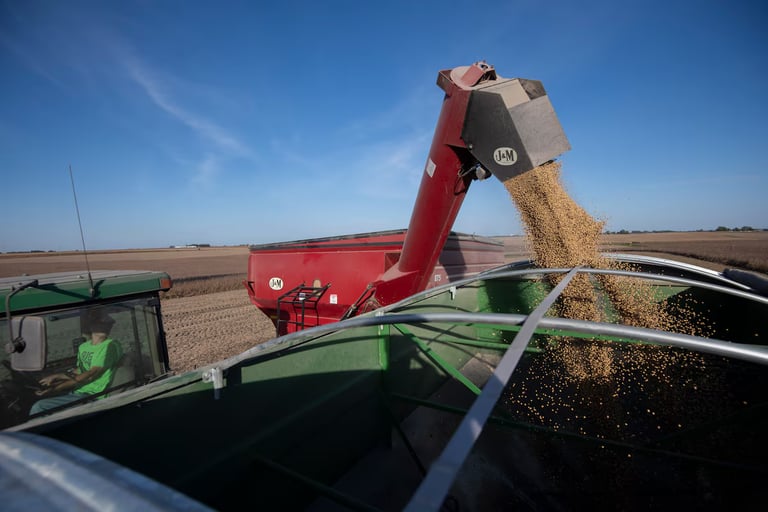

Iowa’s economy is feeling the bite of Donald Trump’s tariffs and the broader Iran conflict, raising costs for farmers and manufacturers who rely on steel and aluminum inputs.
Personal stories show the broader impact, with families facing job displacement, children relocating for work, and a national policy debate shaping the economic strategy.
Voters in the area are a mix of Republicans and independents who prioritize effective economic management and critique the administration’s approach to international conflicts and domestic policy.
A proposed plan for the region’s largest steel mill in southeast Iowa is met with skepticism, echoing past failed attempts and concerns about labor supply and immigration.
Local voices span a spectrum: some farmers and small business owners oppose tariffs and Iran policy in favor of free trade, while others defend tariffs as necessary to level the playing field, arguing the long-term benefits outweigh short-term pain.
Trade tensions with Canada and Mexico are linked to higher construction and farming costs, underscoring how U.S. trade policy affects local livelihoods.
John Deere remains the region’s largest employer and faces higher tariff-related costs, while Arconic adjusts its purchasing strategies amid metal market volatility.
The economic strain is contributing to Iowa potentially shifting from a reliably Republican state to a swing state in the 2026 midterms, with Democrats polling competitively in governor, Senate, and House contests.
Rising diesel and fertilizer prices are boosting production costs for corn and soybean farming, with ongoing concerns about exports and supply chains.
Summary based on 1 source
Get a daily email with more US News stories
Source
The Globe and Mail • Oct 16, 2026
Tariffs and the war in Iran are making Iowa a swing state again