New Immunotherapy Combo Slashes Recurrence and Death Rates in Bladder Cancer Trial
October 25, 2026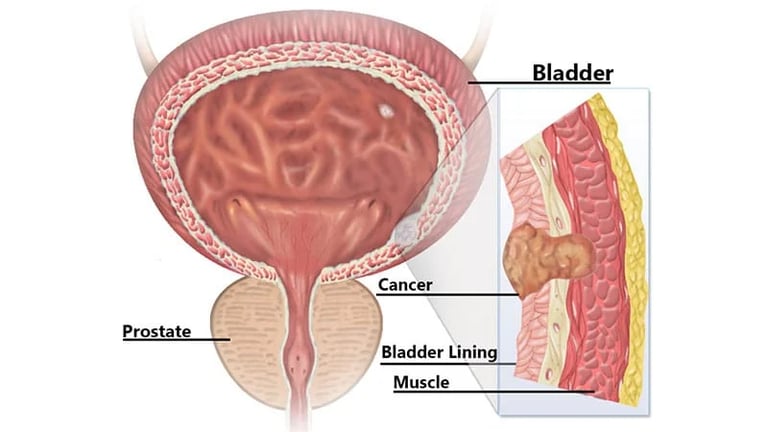

In the VOLGA trial, perioperative durvalumab plus enfortumab vedotin, with or without tremelimumab, was tested against surgery alone in muscle-invasive bladder cancer patients ineligible for cisplatin-based chemotherapy.
The study targets patients unable or unwilling to receive platinum-based chemotherapy, signaling a shift toward immunotherapy–antibody–drug conjugate combinations as alternatives to traditional chemotherapy.
The phase III VOLGA results show the combination therapy significantly reduced recurrence by 49% and mortality by 42% in this hard-to-treat population.
Findings were presented at ESMO 2026 and published in NEJM, with funding from AstraZeneca and disclosures from investigators.
Adverse events were higher with tremelimumab: immune-related events occurred in 48% vs 33% without tremelimumab and 3% in control; grade 3+ events rose to 50.2% (control), 71.1% (doublet), and 79.5% (triplet).
More than three-quarters of patients on the regimen survived to two years with preserved quality of life, suggesting a potential new standard for this population.
The report notes that hematuria is a common early warning sign of bladder cancer, underscoring the need for prompt evaluation and timely treatment.
At 24 months, event-free survival was 45.1% in control, 63.5% with durvalumab plus enfortumab vedotin, and 60.1% with the triplet regimen.
Compared with control, durvalumab plus enfortumab vedotin reduced the risk of an event or death by 49% (HR 0.51), while the triplet regimen reduced risk by 39% (HR 0.61).
Overall survival at 24 months was 78.4% for durvalumab plus enfortumab vedotin versus 69.4% in control; the triplet did not show a statistically significant OS difference.
Italian AIOM experts and participating centers view the approach as potentially raising cure rates and lowering recurrence, marking a major advance in perioperative bladder cancer therapy.
The trial enrolled 695 patients (median age ~72; 81% male), with broad geographic representation, and about half had high PD-L1 expression.
Summary based on 2 sources