US-Israeli Tensions with Iran Shape Election Agendas, Potential Global Impact Looms
October 26, 2026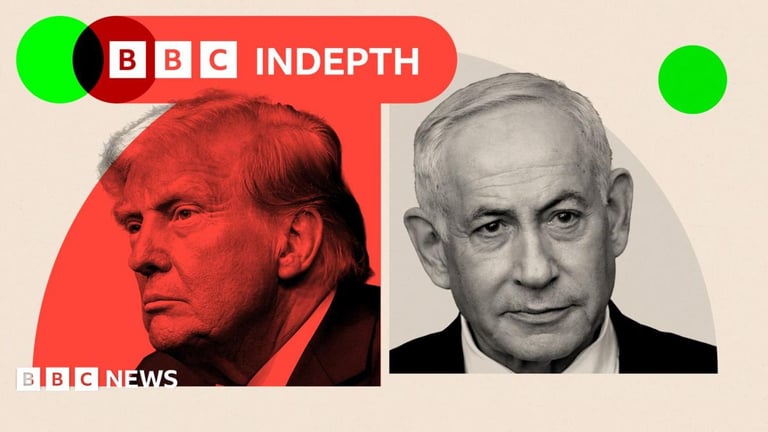

Israel’s election environment is being shaped by the ongoing US-Israeli confrontation with Iran, including discussions of possible new strikes on Iran.
Economic factors, from energy prices to sanctions, are central to campaign narratives in both Israel and the US, linking foreign policy to domestic voter concerns.
The election outcomes could reshape Middle East stability, global energy markets, and the broader trajectory of US-Israeli security and diplomacy.
Donald Trump has endorsed Netanyahu and suggested a renewed approach on Iran, while reports indicate he may have restrained actions to avoid energy-price spikes.
Half a million Israelis with American citizenship can vote in both polls, potentially influencing close races such as Michigan’s Senate contest.
Netanyahu’s political survival could hinge on post-election dynamics, including the possibility of a unity government or ongoing corruption investigations.
The US-Israel approach to Iran has strained bipartisan support, with some US politicians advocating reduced military aid to Israel or tighter scrutiny of foreign policy choices.
Israel and the United States will hold elections within days of each other, with potential global consequences in politics and the economy.
There is debate over whether an attack on Iran would be delayed until after the elections or pursued as a post-election strategy, with regional security implications including threats of retaliation from Iran across multiple fronts.
Both campaigns frame Iran as a central threat, influencing voters and policymakers amid rising defense spending and energy prices.
Summary based on 1 source
Get a daily email with more World News stories
Source
BBC News • Oct 26, 2026
Israelis and Americans are both voting - with global consequences