Godzilla Minus One: A Deep Dive into Trauma and Redemption in Post-War Japan
October 30, 2026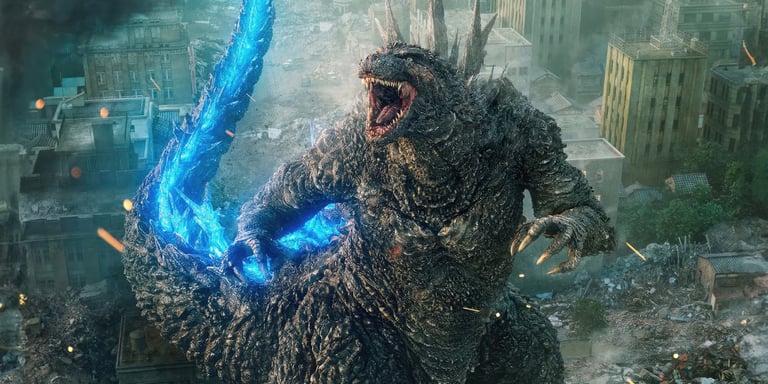

Godzilla Minus One is presented as a profound reinvention of the kaiju genre, shifting from spectacle to a harrowing post-war character drama centered on trauma and redemption.
The film stands out by prioritizing emotional specificity and intimate storytelling over monster-versus-monster escalation, offering a morally clear yet uncompromising view of survival, guilt, and recovery in a war-torn world.
Ryunosuke Kamiki delivers a restrained, emotionally driven performance as Shikishima, with Sakura Ando providing a sharp emotional counterpoint through her character Sumiko Ōta, whose relationship with Shikishima evolves from hostility to uneasy trust.
The film uses escalating psychological tests and grounded, procedural action rather than pure CGI spectacle, culminating in a climactic sequence where Shikishima survives an apparent final sacrifice through an ejector seat, redefining heroism as survival rather than self-sacrifice.
The verdict touts the film as a rare blockbuster that marries intimate psychological depth with apocalyptic spectacle, marking it as a benchmark for the genre in its treatment of trauma and resilience.
The story follows Kōichi Shikishima, a former kamikaze pilot whose survival after failing to complete a mission drives the film’s central guilt and moral questions about who deserves to live.
Historical context anchors the story in 1945–347 Japan, exploring veterans’ plight, post-war reconstruction, and collective grief, while deliberately limiting offscreen occupation details to focus on civilian resilience.
Godzilla is depicted as a brutal, symbolic force representing nuclear devastation and societal scars, with the Ginza sequence marking a turning point in horror and trauma, blending spectacle with meaning.
Summary based on 1 source
Get a daily email with more Entertainment stories
Source

ACTION-FLIX.COM • Oct 29, 2026
GODZILLA MINUS ONE Review: The Kaiju Masterpiece That Redefines the Genre