Eligibility Lawsuits Disrupt College Sports, Impacting Basketball Rosters and Tournament Plans
October 30, 2026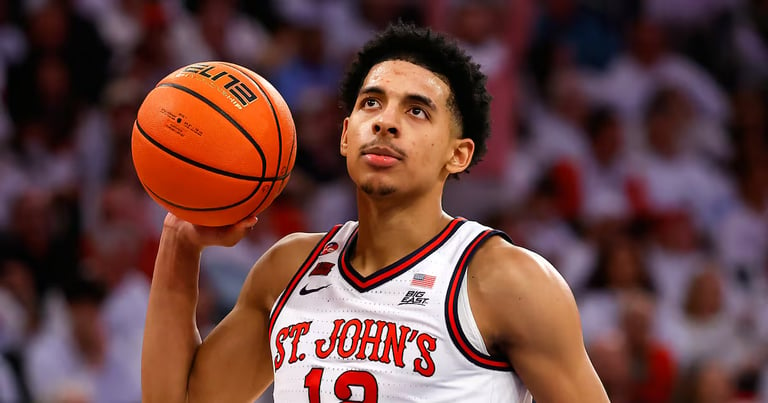

State-by-state differences, ongoing NCAA appeals, and broader policy moves like the Protect College Sports Act contribute to a complex, evolving eligibility landscape.
A historic disruption hits college basketball as dozens of players win court-approved injunctions to play under the NCAA’s new five-year eligibility model, while others remain ineligible, creating uneven rosters across programs.
Coaches express frustration with the ongoing legal process but say they will adapt to the roster as is and keep competing, acknowledging eligibility decisions may stretch far into the season.
Since mid-2024, roughly 200 lawsuits have been filed, with about 850 plaintiffs seeking eligibility for 2026-27 across all sports; around 171 men’s and 30 women’s basketball players have received relief to play.
The author urges presidents and athletic directors to enforce the age-based model and for the NCAA to end the chaos by sticking to the rules.
High-profile examples involve state-level allowances affecting players from Ohio and transfers (such as Amiya Joyner at Louisville) and cases extending into football, set against the Protect College Sports Act as a broader backdrop.
Coaches including Kansas’s Bill Self advocate universal eligibility for players who qualify, calling for consistency across jurisdictions.
The Protect College Sports Act looms as a backdrop, aiming to enshrine the five-year model with legal protections for the NCAA, while conferences move to tighten rules against returning to college after turning pro.
There is tension between maximizing program interests (roster value, TV exposure, NIL revenue) and enforcing standardized eligibility, with the NCAA facing legal costs and questions about its long-term governance.
The NCAA contends the current order disrupts fair competition by giving veteran-rostered schools an advantage.
The litigation mirrors earlier football disputes over post-signing returns to college, prompting conferences to tighten rules and the NCAA to seek protections through legislation.
Some observers argue the NCAA should stand down and allow eligible players to compete now, aligning practice with member wishes and reducing litigation and chaos.
Summary based on 13 sources
Get a daily email with more US News stories
Sources
ACC Sports Journal • Oct 29, 2026
NCAA eligibility lawsuits leave ACC basketball in limbo
Las Vegas Sun • Oct 30, 2026
College basketball season is here. The eligibility chaos playing out in courthouses comes with it
WDIV ClickOnDetroit • Oct 29, 2026
College basketball season is here. The eligibility chaos playing out in courthouses comes with it