Bracket Creep to Swallow Up to 65% of Workers’ Inflation-Adjusted Pay Gains
November 10, 2026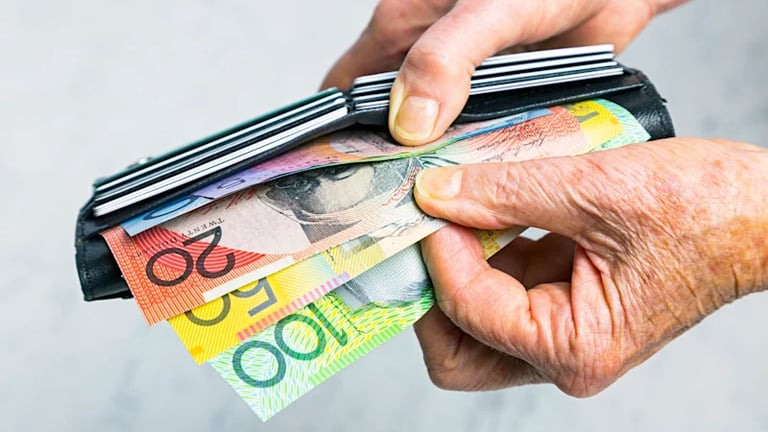

Economists Michael Brennan, Greg Kaplan and Richard Holden warn that bracket creep will eat into workers’ future inflation-adjusted pay rises, with lower-paid workers especially exposed.
Research by e61 and UNSW estimates that someone earning $45,000 a year will see their average tax rate rise from 10.8 per cent to 15.9 per cent over the next decade, taking 56 per cent of their expected after-inflation pay increases by the mid-2030s.
For someone earning $190,000, the average tax rate is projected to rise by 4.7 percentage points, absorbing 65 per cent of their after-inflation income gains as they enter the 45 per cent top marginal tax bracket.
Brennan says population ageing and rising demand for disability, health and care services are adding pressure to public finances, requiring either slower spending growth or broader tax reform to raise revenue more sustainably.
Liberal leader Angus Taylor has promised to gradually index income tax thresholds to curb bracket creep, while the government says its tax cuts have more than offset it and has not ruled out further cuts before the next federal election.
The government’s budget tax measures, including changes to capital gains tax and negative gearing, have drawn strong criticism as Labor’s primary vote fell to 28 per cent in the Resolve Political Monitor.
Anthony Albanese defended Treasurer Jim Chalmers on Tuesday, saying he would stay in the role through the next election and praising his budget surpluses, lower deficits and economic reforms.
Consumer confidence fell sharply after the Reserve Bank raised its official interest rate to an 18-year high of 4.85 per cent; Commonwealth Bank data also showed job growth below the pace needed to keep unemployment steady and fewer workers leaving for better-paid jobs.
Commonwealth Bank senior economist Harry Ottley expects unemployment to edge higher as the labour market moves closer to balance, helping bring inflation back to target over time.
Oil prices fell more than 20 per cent to about $US92 a barrel after the US midterm elections, down from $US116 in late October, amid hopes that the conflict driving price concerns could end.
Summary based on 1 source
Get a daily email with more Australia News stories
Source
The Sydney Morning Herald • Nov 10, 2026
Lowest paid to suffer the most from bracket creep