Microplastics Found in Every Chesapeake Watershed Sample, Study Reports
November 10, 2026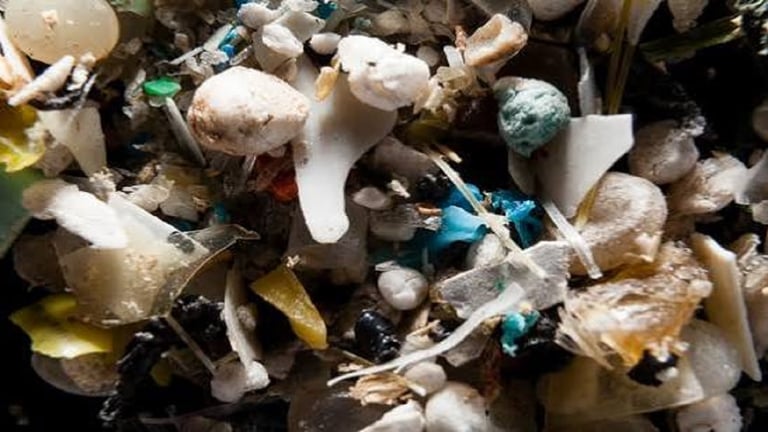

A report released Nov. 10 by Environment America and the PennEnvironment Research and Policy Center found microplastics in all 90 water samples collected across 15 sites in the Chesapeake Bay watershed, including waterways in Pennsylvania, Maryland, Virginia, New York and Washington, D.C.
Citizen scientists collected the samples from urban and rural waterways between April 2024 and October 2026, and researchers at the Academy of Natural Sciences of Drexel University and PennEnvironment analyzed them.
Synthetic fibers appeared at every site, plastic fragments at 93%, flexible films at 47% and microbeads at 27%; the study measured how often plastic types were detected, not their concentrations.
The findings apply only to the locations sampled and do not establish how much plastic is present across the entire Bay.
Potential sources include litter, landfills, incineration, synthetic clothing, cosmetics, plastic pellets and tire wear, while wastewater treatment plants cannot fully remove microfibers released when clothes are washed.
The results underscore that plastic pollution affects inland waterways as well as oceans: plastic breaks into increasingly small particles rather than fully degrading, and contamination can be present even when litter is not visible.
The Susquehanna River supplies half of the freshwater flowing into the Chesapeake Bay, and the watershed provides drinking water to about 13 million people while supporting thousands of animal species.
Advocates warned that microplastics could harm wildlife and reach people through water and fish, and urged residents to follow state fish-consumption advisories; the study tested for plastic presence, not health effects.
Some advocates pointed to local restrictions as possible signs of progress: plastic-bag remnants were not found in Patapsco River samples, and microbeads appeared at just one Maryland site after the state banned their sale in cosmetics in 2015.
Environmental advocates argued that cleanup alone is not enough and called for preventing plastic pollution at its source through producer-responsibility laws, limits on single-use plastics and stronger controls on plastic pellets.
Among the proposed measures are zero-discharge limits for plastic-producing facilities and passage of the proposed Plastic Pellet Free Waters Act.
Policy efforts have faced obstacles: a judge dismissed Baltimore’s lawsuit against PepsiCo, Coca-Cola, Frito-Lay and other companies, while Maryland bottle-deposit legislation has failed for three consecutive years but is expected to return in the upcoming legislative session.
Summary based on 7 sources
Get a daily email with more Science stories
Sources

PennEnvironment Research & Policy Center • Nov 10, 2026
Microplastics in the Chesapeake Bay Watershed
Wilkes-Barre Citizens' Voice • Nov 10, 2026
Microplastics prevalent in the Susquehanna, environmentalist report finds
The Banner • Nov 10, 2026
Microplastics are everywhere — including all over the Chesapeake Bay