Investor Lending Plunges 30.6% as Budget Reforms Loom, Raising Housing Supply Concerns
November 11, 2026

Australian home lending weakened sharply in the September quarter: new investor-loan commitments fell a record 30.6% to 35,301, while first-home-buyer commitments dropped 8.6% to 26,415, their lowest level since late 2022.
The figures count commitments accepted by borrowers, not loans that have settled, exclude refinancing and may be revised because the ABS flagged reporting-quality issues involving internal refinancing.
The quarter’s data came after Reserve Bank rate rises in February, March, May and September lifted the cash rate to 4.6%, and before its subsequent increase to 4.85%; September’s figures therefore do not include the latest rise.
On 3 November, the Reserve Bank raised the cash rate to 4.85%, its fifth increase of 2026 and a total rise of 1.25 percentage points; September inflation remained elevated at 4.3% headline and 3.7% trimmed mean.
Higher interest rates are also squeezing owner-occupiers by reducing borrowing capacity, as rising unemployment, inflation outpacing wage growth and strained household budgets add to affordability pressures.
The ABS said lending declined across borrower types, while investor activity may also reflect expected property-tax changes and lower house prices, alongside higher borrowing costs.
The federal Budget announced on 12 May 2026 limits negative gearing on residential investment to new builds and replaces the 50% capital-gains-tax discount with cost-base indexation and a 30% minimum tax rate; the changes take effect on 1 July 2027.
Treasurer Jim Chalmers said the reforms aim to help first-homebuyers compete with established investors and that their benefits will emerge over time, while Housing Minister Clare O’Neil said first-homebuyers were increasingly winning auctions.
The Government points to owner-occupiers’ share of new loans rising from 59% before the Budget to 68%, but the article says that shift reflects investor lending falling faster, rather than more people buying homes.
JP Morgan economist Tom Ryan said the Budget changes were further weakening investor lending and could weigh on it structurally, while HIA economist Maurice Tapang warned that higher investment costs could worsen the housing shortage and reduce rental supply.
The policy goal of redirecting investors toward new housing has not yet translated into more financing for construction, and a ban on new SMSF borrowing for residential property, effective 10 August, may deepen the decline even for new homes.
A pullback in investor demand could also make developments harder to finance because developers often need pre-sales to secure construction funding; industry estimates cited in the article put SMSF investors’ share of apartment pre-sales at at least 30%.
Summary based on 14 sources
Get a daily email with more Australia News stories
Sources

The Guardian • Nov 11, 2026
Lending to property investors falls at record pace, as Australians fall behind on home loans
news.com.au — Australia’s leading news site for latest headlines • Nov 11, 2026
Investors flee as home loans hit record low
The Sydney Morning Herald • Nov 11, 2026
Record plunge in investor loans as tax overhaul hits property market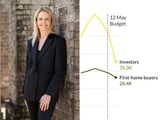
Realestate.com.au • Nov 12, 2026
First homebuyer loans plunge despite record collapse in property investor lending