Samsung Plans AI Overhaul of Health App, Linking Wearable Data to Hospitals
November 12, 2026

At the DHP 2026 conference in Seoul, Samsung Electronics Digital Health Team executive director Choi Jun-il said healthcare is moving toward prevention centered on patients at home, as populations age, chronic disease rises and health workforces face shortages.
Against that backdrop, Samsung is preparing major AI-driven changes to its Health app, aiming to make it more personalized by analyzing sleep, exercise and diet and offering tailored guidance.
Launched in 2012, Samsung Health has about 86 million users worldwide and tracks indicators including heart rate, blood pressure, electrocardiograms, sleep and sleep apnea, according to Choi.
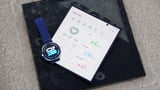
A recent Health app update added Vitals, which combines measures such as Daily Cardio Load and Heart Health Score into an Energy Score, while the Heart Health Score is designed to help users understand factors affecting their heart health.
Samsung has also added care services to the app: Find Care matches users with doctors through HealthTap and supports follow-up texting, while Health Records, introduced with Walgreens, helps users manage prescriptions.
Samsung is working with South Korean medical institutions and has begun sharing wearable sensor data with partner companies, Choi said at DHP 2026.
Choi said patients may arrive at appointments with months of printed blood-pressure or blood-glucose readings, but doctors often have little time to review them and limited insight into medication use or health changes between visits.
Samsung acquired U.S. digital healthcare company Xealth in October 2025; its platform connects to about 500 hospitals and lets physicians prescribe digital health programs through hospital systems.
The acquisition gives Samsung a way to connect Samsung Health and Galaxy Watch data, including sleep and exercise information, with hospitals, addressing the past difficulty of bringing wearable data into clinical care.
Samsung plans to use Xealth to strengthen U.S. hospital partnerships by 2030, with the potential to connect users to more than 100 institutions and share health insights with their hospitals.
OpenAI Korea general manager Kim Kyoung-hoon said AI could help people bring together health records scattered across different sources; OpenAI introduced Health in ChatGPT to U.S. users in July 2026 and is preparing to launch it in Korea.
Samsung and OpenAI are expanding digital healthcare services that link personal health information with clinical care, but fragmented hospital systems and weak data interoperability remain major barriers in Korea.
Summary based on 2 sources
Get a daily email with more Tech stories
Sources
Android Central • Nov 12, 2026
Samsung's Health app isn't personal enough—exec weighs in on upcoming changes
Korea Biomedical Review • Nov 12, 2026
Samsung, OpenAI push connected healthcare in US as Korea faces data barriers