Turmeric Supplements Show No Clear Meaningful Relief for Knee Osteoarthritis, Review Finds
November 19, 2026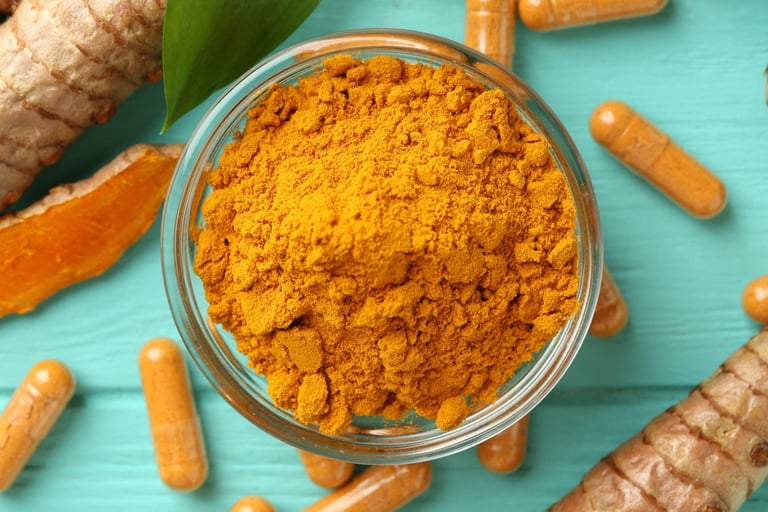

A Cochrane review of nine studies involving 1,245 people with knee osteoarthritis found no clear evidence that turmeric supplements provide clinically meaningful pain relief or work better than placebo or anti-inflammatory drugs.
On average, pain scores fell by 2.3 points among people taking turmeric and 1.6 points among those taking placebo, a difference of 0.72 points on a 10-point scale—about half the improvement considered meaningful to patients.
The supplements also made little or no difference to physical function or quality of life, including everyday activities such as walking, standing from a chair or climbing stairs.
Researchers rated the evidence as low certainty because trials were small and short, tested varied products whose ingredients were often unverified, and included six completed placebo-controlled studies that had not been published; many trials also had industry funding.
The review team excluded 10 trials with unresolved concerns about trustworthiness, pending clarification from their authors, which may help explain why its conclusions were less favorable than those of earlier reviews.
The studies took place in Australia, Belgium, India and Thailand and lasted just four weeks to three months, limiting what researchers could conclude about longer-term effects.
Turmeric’s anti-inflammatory effects have been observed mainly in laboratory research, while curcuminoids are poorly absorbed when taken orally and supplement formulations and doses can vary widely.
The balance of potential benefits and harms remains uncertain; reported risks include kidney stones, bleeding for people taking blood thinners and rare liver damage, particularly with concentrated formulations.
Lead author Dr Ivan Shirinsky said he would not routinely recommend turmeric supplements for knee osteoarthritis, but would discuss their uncertain benefits and potential harms with patients who ask.
Philip Conaghan said people who believe the supplements help need not be forced to stop, but most should not expect a benefit and may be better off saving their money.
Shirinsky said trials using a standardized curcumin supplement could address some evidence gaps, while Conaghan questioned the value of further studies because curcumin may not be absorbed well enough to reach the joints.
Regular exercise, including low-impact activities such as walking, swimming and cycling, and maintaining a healthy weight are more reliable ways to ease symptoms and reduce strain on painful joints.
Summary based on 5 sources
Get a daily email with more Science stories
Sources

The Independent • Nov 19, 2026
New study challenges the ‘health benefits’ of turmeric supplements
New Scientist • Nov 19, 2026
Turmeric supplements offer little benefit for knee osteoarthritis
Medical Xpress • Nov 19, 2026
New evidence questions benefits of turmeric for knee arthritis