2026 Gubernatorial Races: A Crucial Battleground Shaping Future National Politics
November 2, 2026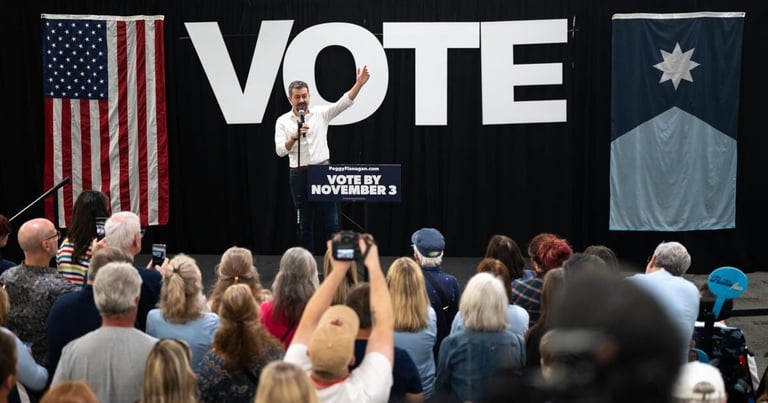

The upcoming US midterm elections on November 3, 2026 could shift control of Congress, reshaping Trump’s agenda, investigations, appointments, and veto dynamics.
Concluding, the midterms will signal the political direction for the remaining two years of Trump’s term, influencing national policy trajectories as voters decide Congress's fate.
A Republican hold on both chambers would affect trade policy and India–US relations, while gains by Democrats or a split Congress would alter legislative dynamics.
There are bipartisan efforts to recognize state-certified winners and resolve close races, alongside ongoing litigation, underscoring fragility and resilience of electoral processes amid disputes.
Candidate strength, personality, and campaign organization are seen as drivers of turnout, with gubernatorial races serving as a central mobilization engine.
Democrats aim to gain four Senate seats in contests including Texas, Michigan, and Alaska, emphasizing small-dollar fundraising, while Republicans lean on large donors.
Governors influence responses to federal policy and funding, evident in varying state approaches to Medicaid expansion and cooperation with the White House on programs.
Voter priorities differ by state—education prominent in Texas, housing in California—while economics and welfare concerns are common motivators.
Markets have historically rallied on trade deal progress, with Sensex and Nifty up about 2.5% and the rupee strengthening to about 90.27 per dollar on initial announcements.
Despite short-term bumps, foreign investor withdrawals from Indian equities since late 2024 complicate passages of a firm deal, though momentum could reverse with progress.
Early returns from states like South Carolina, Florida, Maine, Ohio, and Michigan are pivotal for signaling the night’s trajectory and the strength of the MAGA movement.
Summary based on 13 sources