Dengue Cases Rose 34-Fold Since 1990, Global Analysis Warns
November 23, 2026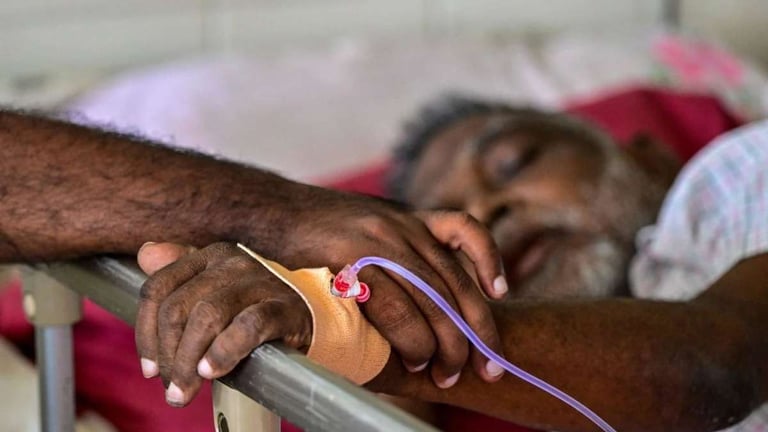


A global analysis covering 1990 to 2024 estimated 73.9 million dengue cases—10.6 million more than previously recorded—and found incidence rose 34-fold, averaging 9.1% growth annually.
To build the picture, researchers compiled a monthly database spanning 35 years, drawing on overlooked sources such as health ministry reports; the study is a preprint undergoing peer review.
The analysis found dengue has been rising fastest in regions where it emerged more recently, including Africa, the Middle East and South Asia, while growth has been slower in long-affected Southeast Asia.
Even those estimates may understate the burden because they miss infections among people with mild or no symptoms, those treated at home and cases lost in disconnected health systems.
Researchers and public health experts say the findings are a warning that stronger surveillance and investment are needed, especially as dengue rises while malaria has declined over recent decades.
Bangladesh illustrates the mounting pressure: health authorities have recorded 168,933 dengue hospitalisations and 510 deaths in 2026, while an expert estimates the true number of infections may be ten times higher because many facilities do not report cases.
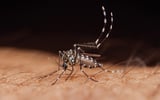
In Bangladesh, warmer temperatures, rapid and unplanned urbanisation, weak mosquito control and the spread of Aedes mosquitoes into rural areas are contributing to wider transmission.
Other countries are also reporting substantial outbreaks: Sri Lanka recorded 110,431 cases and 82 deaths, Malaysia reported 79,600 infections by the end of October, and Cuba’s estimated 15,859 cases through October were 10.6 times its expected level.
Potential tools include Wolbachia, bacteria introduced into Aedes mosquitoes to reduce the virus’s ability to reproduce; a four-year trial involving 5,750 Brazilian children found 69% fewer dengue infections and 73% fewer chikungunya infections in areas with Wolbachia mosquitoes, though the findings have not yet been published in a peer-reviewed journal.
The Brazil results add to earlier trials reporting dengue reductions of 77% in Indonesia and at least 94% in three Colombian cities, as experts point to Wolbachia interventions and vaccines as possible ways to curb the disease.
Summary based on 2 sources