Large North Carolina Trial Finds Community CPR Program Didn’t Improve Cardiac Arrest Survival
November 8, 2026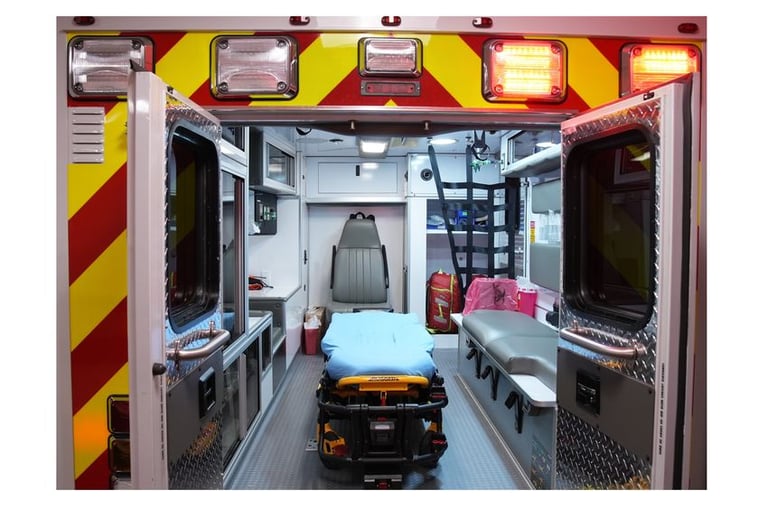

A five-year randomized trial found that the RACE-CARS community and EMS education program did not significantly improve the odds of surviving an out-of-hospital cardiac arrest with favorable brain function.
Conducted from July 2021 through June 2026, the study tracked 22,459 cardiac arrests across 60 North Carolina counties representing about 8.5 million residents; 31 counties received the program, while 29 continued their existing response practices.
Favorable survival was about 9% in intervention counties, compared with 9.4% in comparison counties, and bystander CPR and defibrillation rates showed no clear improvement with the program.
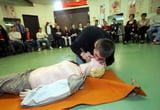
The initiative combined community CPR training, 911 dispatcher coaching and enhanced first-responder efforts; community partners held 5,724 training events for 201,586 people, about 4.8% of residents in intervention communities.
Experts called the results disappointing but consistent with earlier studies in which interventions increased CPR or AED use without reliably improving survival, and noted that the COVID-19 pandemic may have disrupted training.
Researchers also cited uneven implementation, self-reported program data, staffing shortages and turnover at 911 centers, and disruptions from both the COVID-19 pandemic and Hurricane Helene as study limitations.
Study lead author Carolina Malta Hansen said broader, sustained efforts may be needed, pointing to Denmark, where about 80% of the population is CPR-trained and CPR certification is required to obtain a driver’s license.
The researchers said stronger, lasting CPR education and first-responder programs—particularly in rural areas, where EMS response times can be longer—may be needed to improve community response and survival; the preliminary findings were presented at the American Heart Association’s Scientific Sessions 2026.
The stakes are substantial: about 350,000 Americans experience out-of-hospital cardiac arrest each year, and roughly one in ten survives; only about 40% receive bystander CPR and 10% have an AED applied before EMS arrives.
The findings do not change CPR guidance: call 911, start hard and fast chest compressions for an adult who collapses and is not breathing normally, and use an automated external defibrillator as soon as one is available; untrained bystanders can use hands-only CPR and follow dispatcher instructions.
Researchers plan to follow the North Carolina population for at least another year to see whether longer or more intensive efforts can improve outcomes.
Summary based on 6 sources
Get a daily email with more Science stories
Sources
American Heart Association • Nov 8, 2026
Community CPR and EMS intervention program did not increase survival after cardiac arrest
Medical Xpress • Nov 9, 2026
Community CPR and EMS intervention program did not increase survival after cardiac arrest