AI Demand Remains Strong Despite Huang Controversy and U.S. Regulatory Risks
November 9, 2026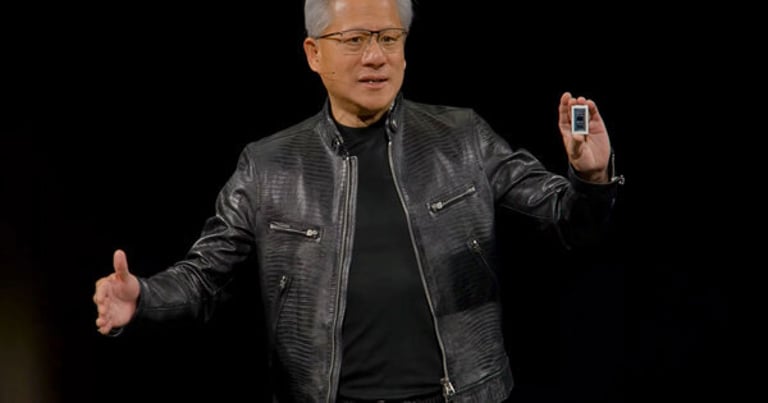

Taiwan’s semiconductor supply chain expects AI demand and the industry’s long-term growth to remain strong despite controversy involving Nvidia CEO Jensen Huang, though one source cautioned that there could be effects over the next six months.
The more direct risk to the chip industry, analysts say, is tighter U.S. export controls and increased scrutiny of chips potentially diverted to China, which could limit Nvidia sales there; demand from other U.S. hyperscale AI companies may help offset any weakness.
Further export restrictions could reduce earnings and weigh on Nvidia’s valuation, while the direct revenue impact tied to Megaspeed is described as negligible.
The scrutiny includes a request by three Republican lawmakers for a closed-door meeting with Huang about whether high-end chips and AI servers are reaching China through third countries.
The stakes are especially high for South Korea, where semiconductors represented 49% of October exports and the Bank of Korea estimated chips would account for roughly half of economic growth in 2026; these figures explain the concern but do not establish that exports will fall.
Samsung Electronics and SK hynix supply advanced memory used in AI systems, so the pace of data-centre development can directly shape demand for their products.
Nvidia announced plans to provide South Korea with more than 260,000 GPUs, including allocations exceeding 50,000 each for the government, Samsung Electronics and SK Group, 50,000 for Hyundai Motor Group, and more than 60,000 for NAVER Cloud.
Vice Minister of Science and ICT Ryu Jemyung said 10,000 GPUs funded through a 2025 supplementary budget had arrived and were already in use, while GPUs contracted for 2026 were expected to enter service during the year.
Ryu’s comments concerned government-contracted supply, not the separate allocations to companies, and no GPU count for the 2026 contracts was reported.
Nvidia has built partnerships across South Korea’s chip, mobility and AI sectors, including work involving Samsung Electronics, SK Group, Hyundai Motor Group, SK Telecom, Rebellions and Kakao Mobility.
A planned South Korea appearance by Nvidia senior director Madison Huang was cancelled, as were some related events, but Kakao Mobility said its business agreement with Nvidia would proceed and Nvidia AI Day Seoul was still going ahead.
The two-day Nvidia AI Day Seoul was expected to draw about 2,000 participants to discuss AI and infrastructure.
Summary based on 24 sources
Get a daily email with more Tech stories
Sources
ET Enterprise AI • Nov 10, 2026
AI demand unlikely to be derailed by Nvidia CEO controversy: Taiwan supply chain executives
Economic Times • Nov 10, 2026
AI demand unlikely to be derailed by Nvidia CEO controversy: Taiwan supply chain executives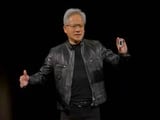
ANI News • Nov 10, 2026
AI demand unlikely to be derailed by Nvidia CEO controversy, Taiwan supply chain sources say