New QUAIL Platform Aims to Revolutionize Cancer and Infection Treatment with Enhanced Immune Response
February 13, 2026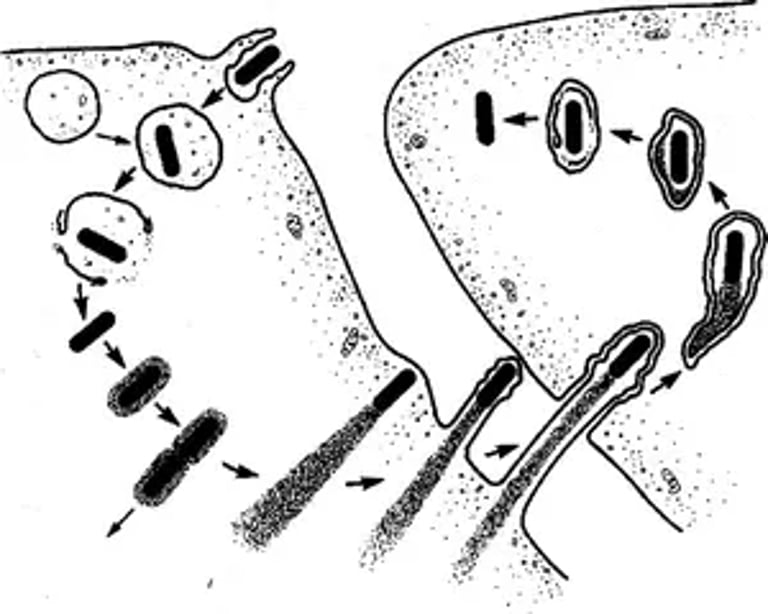

A safer, quadruple-attenuated Listeria-based platform named QUAIL reengineers prior LADD approaches to robustly stimulate gamma delta T cells and potentially MAIT cells, aiming to boost innate immunity against cancer and intracellular infections.
Laguna Biotherapeutics plans to seek FDA clearance to evaluate QUAIL in pediatric leukemia patients who have undergone unmatched bone marrow transplants, with Stanford physicians leading the clinical effort.
Early pediatric trials at Stanford would use QUAIL to elicit gamma delta T cell responses to help control infections, improve graft tolerance, and reduce cancer recurrence, with potential applications across multiple cancers and even prophylactic vaccine use.
The research is supported by Laguna Bio and the NIH, with collaborations involving UC Berkeley, Laguna Biotherapeutics, and other institutions, building on insights from prior Aduro Biotech work on Listeria-based cancer vaccines.
A broad consortium including UC Berkeley, Laguna Biotherapeutics, Michigan State University, and other collaborators backs the program, underscoring multi-institutional support for QUAIL.
Researchers emphasize the broader potential of engineered intracellular bacteria to treat various cancers and persistent infections, exploring how innate immunity can be integrated with current therapies.
The work outlines a translational path from basic microbiology to clinical application, supported by NIH and Laguna Biotherapeutics, to expand personalized immuno-oncology strategies.
The program focuses on reinvigorating the immune system by coordinating innate and adaptive responses, aiming to augment rather than replace existing immunotherapies.
Early LADD trials showed promise in animals but failed to generate robust cytotoxic T cell responses in human pancreatic cancer and mesothelioma, illustrating challenges in translating adaptive immunity–driven approaches to humans.
Portnoy and collaborators envision broadening QUAIL’s use beyond leukemia to other cancers—including myeloma, lymphoma, neuroblastoma, and sarcomas—and potential prophylactic applications against intracellular infections like malaria and tuberculosis by reactivating gamma delta T cells.
The team envisions expanding to multiple solid tumors and hematologic cancers, leveraging gamma delta T cells and wider innate immunity alongside current immunotherapies.
UC Berkeley researchers led by Daniel Portnoy have redesigned Listeria monocytogenes into QUAIL (quadruple attenuated intracellular Listeria) as a safer immunotherapeutic platform for cancer treatment and infection control.
Summary based on 4 sources
Get a daily email with more Science stories
Sources
Phys.org • Feb 13, 2026
Basic research on Listeria bacteria leads to unique cancer therapy
EurekAlert! • Feb 12, 2026
Basic research on Listeria bacteria leads to unique cancer therapy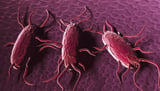
Berkeley News • Feb 12, 2026
Basic research on Listeria bacteria leads to unique cancer therapy
BIOENGINEER.ORG • Feb 13, 2026
Breakthrough Study on Listeria Bacteria Paves Way for Innovative Cancer