Ancient Ice Microbe Reveals Antibiotic Resistance and Potential for New Drug Discovery
February 17, 2026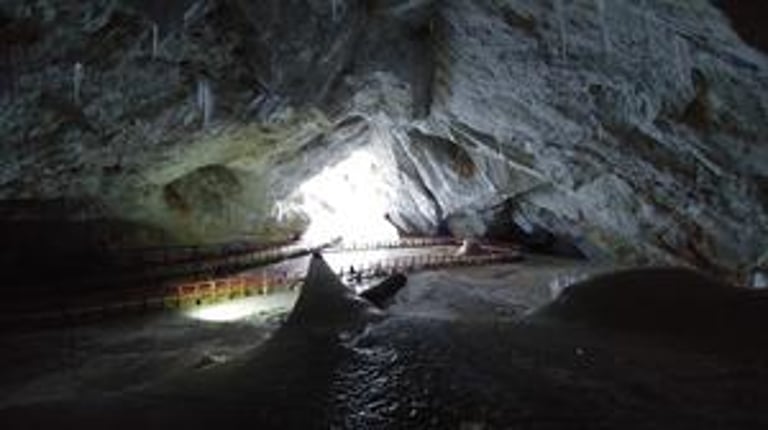

The strain not only resists several antibiotics but also inhibits growth of multiple antibiotic-resistant pathogens and harbors enzymes with biotechnological potential for new antimicrobials or industrial uses.
Genome analysis reveals nearly 600 genes of unknown function and over 100 antibiotic-resistance genes, with 11 genes potentially capable of inhibiting microbes, fungi, or viruses.
The genome contains 45 stress-response genes related to cold/heat adaptation, including unique htpX, htpG, and pka variants linked to cold adaptation.
Scientists caution that releasing ancient microbes or their genes from melting ice could pose risks, but they also see potential benefits in discovering new antibiotics and industrial enzymes.
In Frontiers in Microbiology, researchers sequenced the Scarisoara ice cave Psychrobacter SC65A.3 genome to identify cold-adaptation and antimicrobial-resistance genes and tested resistance against 28 antibiotics across 10 classes.
The study analyzed a 13,000-year ice-core timeline with sterile handling to prevent contamination, offering a long-term view of how resistance traits can evolve and persist in ancient microbes.
SC65A.3 inhibited 14 ESKAPE pathogens, including MRSA and Pseudomonas aeruginosa, while genomic data suggested production of antimicrobial compounds such as glycopeptides and bacitracin.
SC65A.3 is a polyextremophile that can grow at temperatures up to about 15°C and tolerate high salinity and magnesium, illustrating cold-adapted extremotolerance.
Whole-genome sequencing revealed over 100 antimicrobial resistance genes, including ampC, gyrA/B, parC/E, dfrA, rpoB, tetA/C, and mcr-1, along with heavy-metal resistance and efflux genes.
An ancient 5,000-year-old Psychrobacter SC65A.3 strain from Scarisoara Ice Cave shows resistance to ten modern antibiotics, including rifampicin, vancomycin, and ciprofloxacin.
SC65A.3 is the first Psychrobacter strain reported to resist trimethoprim, clindamycin, and metronidazole, antibiotics used for UTIs and various infections.
Functional assays show resistance to 10 antibiotics across eight classes, including third-generation cephalosporins and fluoroquinolones, with broad hydrolytic activity.
Summary based on 7 sources
Get a daily email with more Science stories
Sources

Phys.org • Feb 17, 2026
Bacterial strain from 5,000-year-old cave ice shows resistance against 10 modern antibiotics
Popular Science • Feb 17, 2026
5,000-year-old bacteria thawed in Romanian ice cave
EurekAlert! • Feb 17, 2026
Bacteria frozen in ancient underground ice cave found to be resistant against 10 modern antibiotics