Breakthrough Study Maps Brain Cell Translation, Linking Isoform Variation to Protein Output and Neurological Disease
February 18, 2026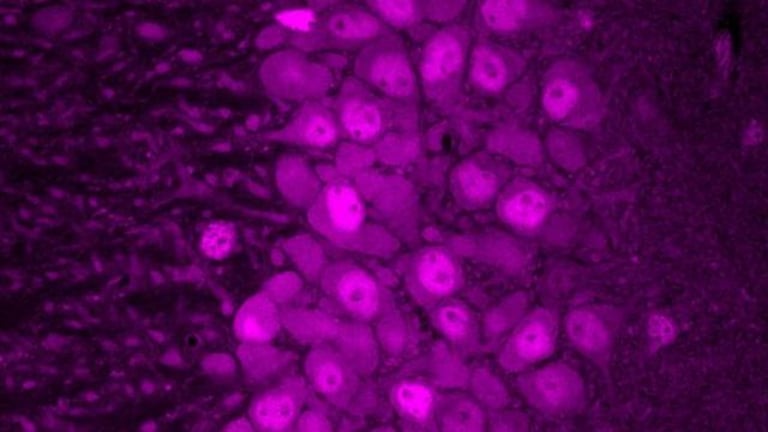

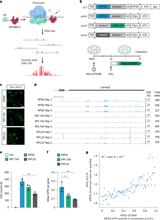
A new study introduces Ribo-STAMP to measure protein production in single brain cells by tagging ribosomes and sequencing RNA edits, enabling translation profiling across nearly 20,000 cells in the mouse hippocampus.
Published in Nature on February 18, 2026, the work provides the first cell-type- and isoform-specific maps of translation in the brain, showing patterns not predicted by mRNA levels alone.
The combination of Ribo-STAMP and MAS-ISO-seq directly links translation to full-length isoforms at single-cell resolution, overcoming the limits of short-read or bulk-tissue methods.
Presynaptic vs postsynaptic translational profiles show clear differences, with presynaptic genes more engaged at baseline and after BDNF stimulation, and specific long CDS/5' UTR features linked to translational control in these compartments.
In CA1 subclusters, high-translation groups align with bursty firing and mitochondrial gene enrichment, suggesting distinct translational programs tied to neuronal activity and energy metabolism.
Isoform-level analysis reveals that EditsC correlations are often negative or absent when shifting between protein-coding and intron-retaining isoforms, underscoring a separate regulatory layer for translation.
Neuron-specific ELAV-like proteins bind extended 3' UTRs of highly edited isoforms and promote translation by interfacing with the translation machinery, as shown in Cadm3 isoforms with differential translation.
The findings point to potential relevance for autism, fragile X syndrome, and tuberous sclerosis complex, where altered protein synthesis is linked to synaptic dysfunction.
Isoforms with longer regulatory regions tend to drive higher translation, linking transcript variation to protein output and disease relevance.
Isoforms with longer 3' UTRs tend to have more miRNA binding sites and lower GC content, suggesting a cis-regulatory architecture that supports neuronal translation.
Overall, increases in translational efficiency accompany longer regulatory regions, indicating isoform choice modulates protein production in neurons.
The study addresses how translation relates to brain disease, why memory neurons differ in translation, and how isoform-specific translation informs disease understanding.
Summary based on 6 sources
Get a daily email with more Science stories
Sources
Nature • Feb 18, 2026
Single-cell and isoform-specific translational profiling of the mouse brain
News-Medical • Feb 18, 2026
New technology maps protein production across individual brain cells
Technology Networks • Feb 18, 2026
Mapping How Brain Cells Make Proteins in Real Time
Neuroscience News • Feb 18, 2026
Mapping Technology Reveals the Brain’s Secret Protein Factories