Study Uncovers Genetic Links Between Cat and Human Cancers, Paving Way for Shared Treatments
February 19, 2026

The collaboration involved the Wellcome Sanger Institute, Cornell University College of Veterinary Medicine, the Ontario Veterinary College at the University of Guelph, and the University of Bern, among others, pooling extensive genomic data as a translational resource.
Partners across Wellcome Sanger Institute, University of Guelph, University of Bern, and other institutions sourced tissue from veterinary diagnostics and donated samples to support the research.
The project is part-funded by EveryCat Health Foundation, CVS Group, Wellcome, NSERC Canada, and the Swiss National Science Foundation, with the Science publication The Oncogenome of the Domestic Cat dated February 19, 2026.
Experts stress that developing targeted therapies takes time, but obtaining the genetic information is a crucial first step toward improved treatments for pets and translational benefits for human cancer research.
A 2025 US study showed cat-based trials' translational relevance by treating feline oral squamous cell carcinoma with a human-used drug, achieving an average life extension of about six months for some cats.
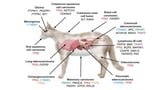
A cross-species cancer genomics study analyzed tumors from nearly 500 pet cats across five countries to compare cancer genetics with human cancers, revealing similarities that could inform treatments for both cats and humans.
Feline mammary carcinomas show mutations in seven driver genes, with FBXW7 being the most common, and these mutations align with aggressive breast cancer characteristics seen in humans.
Ex vivo tissue assays indicate certain chemotherapeutic agents work more effectively against FBXW7-mutated feline tumors, suggesting potential precision oncology approaches in cats pending clinical validation.
Led by Louise van der Weyden at the Wellcome Sanger Institute, the work emphasizes minimizing animal harm by using owner-consented, biopsy-derived real-world cat samples to benefit both animal welfare and human medicine.
Laboratory experiments on donated tumor tissue suggest that specific genetic mutations could influence chemotherapy efficacy, pointing toward future genotype-driven treatment strategies.
The study leveraged donated tissue samples, enabling broad assessment of drug responses across tumor types and setting the stage for clinical translation.
Public health relevance arises from the large domestic cat population (over ten million in the UK) and the potential for cats to serve as sentinels for cancer risk factors and environmental etiologies affecting both species.
Summary based on 13 sources
Get a daily email with more Science stories
Sources

Scientific American • Feb 19, 2026
Cats’ cancer genes show striking similarity to humans’
Newsweek • Feb 19, 2026
Scientists Studied 500 Cats—What They Learnt Could Help Treat Cancer
Deutsche Welle • Feb 19, 2026
'Remarkable' new cat cancer genome could benefit humans