Tetris-Based Therapy Reduces COVID-19 Trauma in NHS Staff: Study Shows Promising Results
February 19, 2026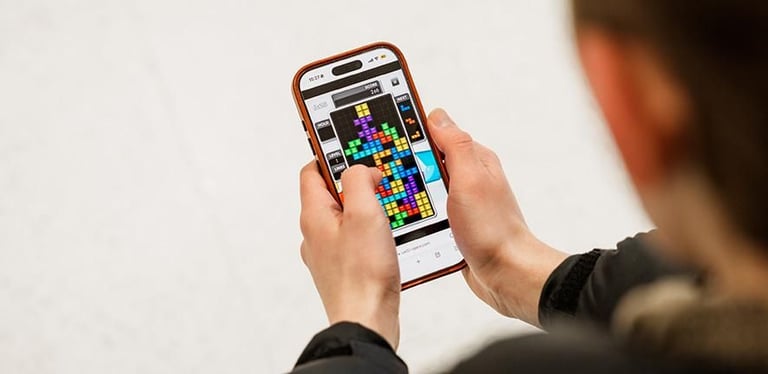


A UK-Swedish study in The Lancet Psychiatry shows imagery competing task intervention (ICTI), which uses a slow version of Tetris, significantly reduces intrusive trauma memories among NHS staff exposed to Covid-19-related trauma.
The study notes ICTI's potential for remote or scalable use to help workers routinely exposed to trauma.
The study emphasizes the high prevalence of trauma exposure among healthcare workers, citing World Health Organization data on lifetime exposure to serious trauma.
Summers and other experts highlight ICTI’s global potential as a scalable digital intervention for work-related trauma among healthcare staff.
Experts say larger, more diverse trials are needed and suggest testing non-guided game versions to broaden reach.
Six months after ICTI, about 70% of participants reported no unwanted memories.
Researchers describe ICTI as accessible, scalable, and adaptable, with plans to expand testing to a broader population.
Professor Charlotte Summers from Cambridge underscores the potential impact for healthcare workers under ongoing system pressures and stresses the need for scalable trauma interventions.
A Wellcome representative notes ICTI’s accessibility and potential for worldwide impact.
Key quotes emphasize the intervention’s focus on mental imagery, the importance of scalable digital tools, and ICTI’s potential to reduce work-related trauma for healthcare workers.
Plans are in place to test ICTI in a larger sample to assess scalability and benefits for health professionals regularly exposed to traumatic events.
Wellcome funds and involvement are noted, with ongoing plans to test ICTI on larger samples and explore broader implementation.
Summary based on 15 sources
Get a daily email with more World News stories
Sources

The Independent • Feb 19, 2026
Playing this classic video game can reduce memories of trauma
Daily Mirror • Feb 19, 2026
Playing one classic video game eases mental health problem, study shows
Home Home • Feb 19, 2026
Study shows that digital treatment with Tetris gameplay can
University of Cambridge • Feb 18, 2026
Tetris gameplay treatment helps reduce traumatic flashbacks for frontline healthcare workers