Baltic States Bolster NATO Defense Amid Rising Russia Tensions and Trump-Era NATO Remarks
February 22, 2026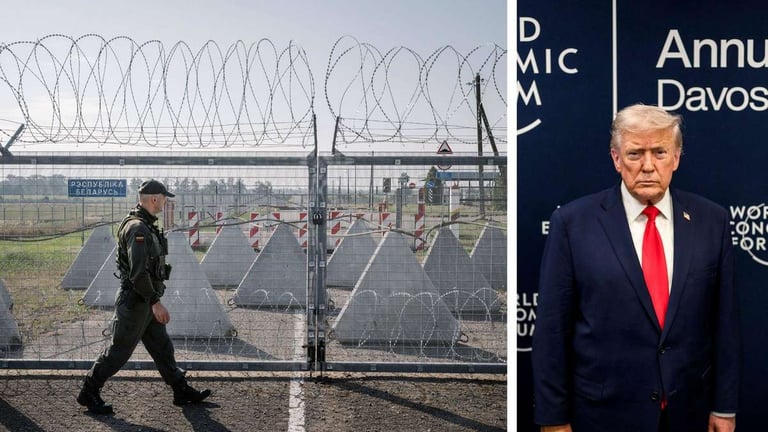

Baltic defense investments include fortifying border defenses with hundreds of bunkers across Estonia and Latvia by 2027, expanding fortifications and infrastructure to deter incursions.
Lithuania and Latvia pledge rapid mobilization and readiness, with Latvia aiming to deploy up to 60,000 forces in a crisis and Lithuania maintaining a robust active force and reserves for quick response.
Security investments aim to keep defense forces mobile and protect key chokepoints like Narva and the Suwałki Gap, while noting Kaliningrad as a potential vulnerability for Russia.
NATO presence in the region is reinforced by about 10,000 troops under Enhanced Forward Presence and a German brigade in Lithuania, serving as a core deterrent against Russia.
The deterrent posture emphasizes NATO’s presence as essential, with approximately 10,000 troops and German armor contributing to regional security.
New security concepts include anti-drone capabilities, Ukraine-derived lessons, and Arctic Sentry to strengthen NATO posture in the Arctic and High North.
The Baltic states—Estonia, Latvia, and Lithuania—are strengthening NATO deterrence and signaling solid alliance solidarity in response to heightened tensions with Russia and controversy surrounding Donald Trump’s remarks on NATO.
Baltic leaders insist NATO remains solid and capable, stressing that cooperation is essential for existential security despite occasional tensions with Washington and Trump-era rhetoric being viewed as a strategic shift rather than a breach.
Security concerns center on potential Russian hybrid threats, drone incidents, and airspace violations, prompting calls for anti-drone capabilities and lessons learned from Ukraine.
Latvia and Lithuania continue drills, exercises, and strategic assessments as part of their deterrence posture in response to evolving hybrid threats and drone incursions.
The Arctic and northern theater, via Operation Arctic Sentry, feature in NATO deterrence efforts with regional cooperation and exercises to demonstrate readiness.
The situation is framed as a high-stakes test of NATO’s Article 5 commitments and European strategic autonomy amid the Russia-Ukraine war and debates over U.S. leadership in Europe.
Summary based on 2 sources