New Study Uncovers RNA-Based Mechanism Behind Ribosome Pairing During Cellular Stress
February 25, 2026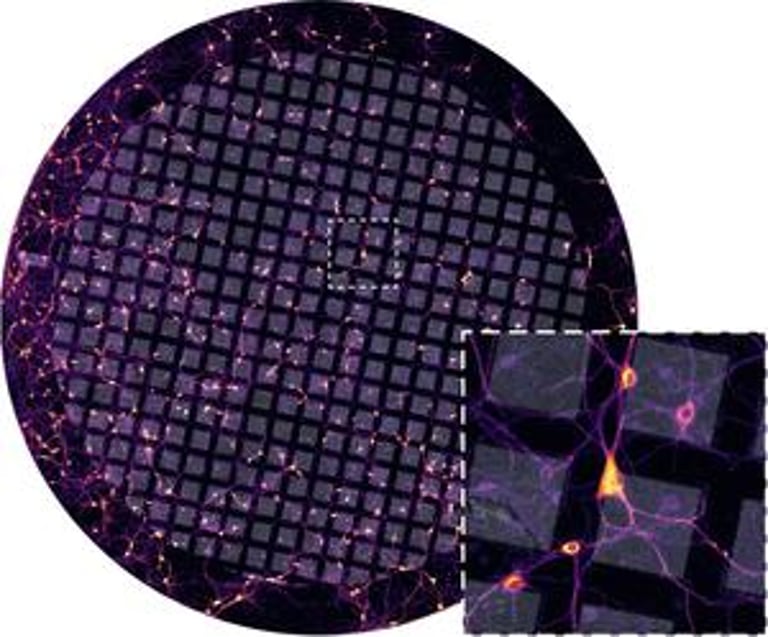

The team used a cross-disciplinary approach, including genetic engineering in yeast and mammalian cells, to establish the mechanism and its visualization.
The work was published in Science, led by Erin Schuman at the Max Planck Institute for Brain Research, with key contributors Andre Schwarz and Mara Mueller.
A new study from the Schuman Lab at the Max Planck Institute shows that stressed animal cells, including neurons, form inactive ribosome pairs called disomes through an RNA–RNA interaction, a regulated and reversible response to stress.
Cryogenic electron tomography enabled direct visualization of ribosomes inside intact cells, revealing their reorganization under stress and supporting the disome model.
A specific ribosomal RNA expansion segment, 31b, mediates the disome formation by forming a kissing-loop interaction between identical RNA loops.
The researchers combined cell biology, biochemistry, yeast and mammalian genetics, and high-resolution imaging to manipulate ribosomal RNA and demonstrate the RNA-based mechanism behind ribosome oligomerization in stressed cells.
This finding reframes translation control by highlighting how RNA structure and expansion segments regulate protein synthesis during stress, with potential implications for health and disease through ribosome organization and stress response.
The Science article is titled rRNA expansion segments mediate the oligomerization of inactive animal ribosomes.
Disrupting the 31b kissing-loop prevents disome assembly, impairs cell growth, and increases stress sensitivity, indicating a regulated protective mechanism.
Overall, the study reveals a novel RNA-structural mechanism of translation control in animal cells, helping explain how cells conserve energy and recover quickly from stress.
Summary based on 2 sources
Get a daily email with more Science stories
Sources
EurekAlert! • Feb 23, 2026
Ribosomes in pairs
Technology Networks • Feb 25, 2026
Cells Put Ribosomes Into “Sleep Mode” During Stress