BAFTA Broadcast Sparks Outrage Over Racial Slur, Ignites Debate on Media Handling of Tourette's Syndrome
February 26, 2026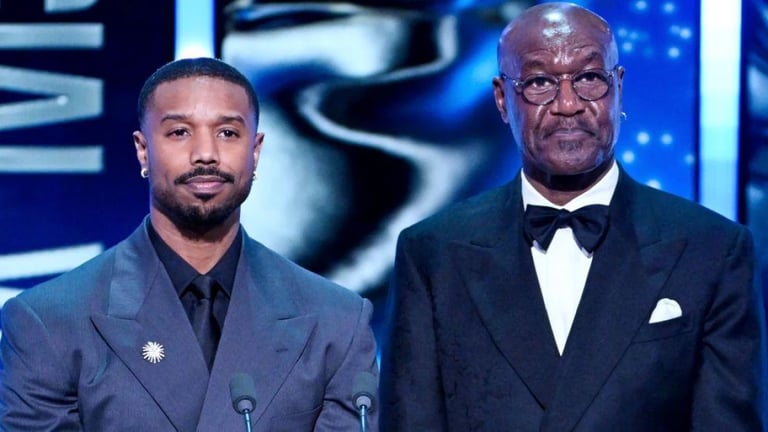


Tourette syndrome experts explain coprolalia affects only a minority and does not reflect beliefs, highlighting risks of isolation and distress for affected individuals.
The BBC called the incident a serious mistake and said it is investigating how it happened and how to prevent a recurrence, signaling a push for clearer editorial processes around high-risk live events.
The article includes expert perspectives from Rena Zito, a sociologist and associate professor, as part of a republished Conversation piece.
Public reaction spans responsibility, understanding, and debates about portraying Tourette’s on major platforms, revealing a divided discourse on tolerance and education.
Dame Caroline Dinenage, as chair of CMS, questioned whether lessons have been learned and whether proper controls are now in place, citing Glastonbury coverage as a relevant context for editorial safeguarding.
Discussions continue about Tourette’s syndrome, involuntary tics, and how media should handle disability-related incidents at high-profile events, including the responsibility of editors and broadcasters.
The BAFTA ceremony controversy over a racial slur shouted onstage during the broadcast has prompted criticism of both BAFTA and the BBC for delaying an apology, with John Davidson, who has Tourette Syndrome, identified as the speaker of the outburst toward Michael B. Jordan and Delroy Lindo.
Researchers note that social and environmental cues can trigger tics, with stress and public scrutiny potentially intensifying coprolalia and other involuntary expressions.
Experts emphasize understanding, support, and accommodation for people with Tourette syndrome to participate safely in public life, noting the emotional and social burden on families and communities.
The broadcasting controversy raises questions about when to edit live content and how to balance live coverage with safeguards for viewers and participants who have Tourette’s.
The broader debate centers on balancing live event broadcasting, editorial safeguards, and the challenges of featuring individuals with Tourette’s in public performances.
Summary based on 54 sources
Get a daily email with more World News stories
Sources

The Guardian • Feb 25, 2026
BBC to conduct fast-track investigation into broadcasting of racial slur from Baftas
The Guardian • Feb 25, 2026
I was at the Baftas – and while hearing the N-word was unsettling, all anger should be aimed at the BBC

BBC News • Feb 25, 2026
BBC says racial slur at Baftas was 'serious mistake' and fast-tracks investigation