Nintendo Switch 2 Sells 17M Units Amidst Challenges; Eyes 19M by March 2026
February 3, 2026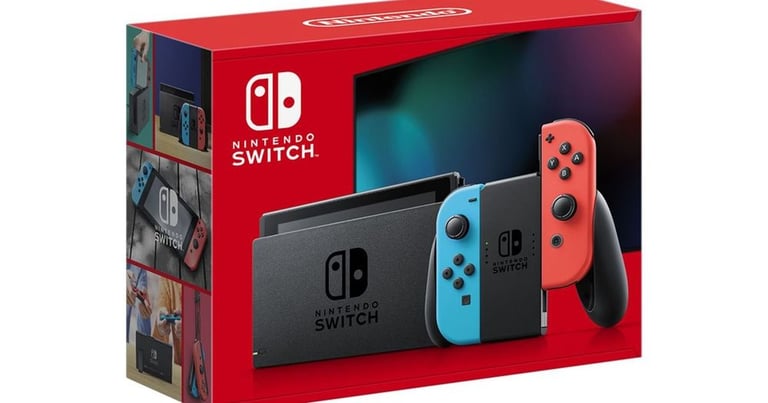


Market outlook remains positive, driven by ecosystem expansion, new game releases, hardware updates, and digital content strategies, with cloud gaming and VR presenting both opportunities and challenges.
Nintendo anticipates continued premium pricing pressures from memory chips and notes a lean near-term first-party lineup could cap growth, though third-party titles like Resident Evil Requiem may bolster momentum.
Industry voices say AI-generated games are not an immediate threat to console makers, as real games require complex storytelling and gameplay beyond current AI capabilities.
The article implies ongoing platform support from Nintendo and hints at possible future console design shifts toward portability and versatility as consumer preferences evolve.
Broader industry headwinds include supply-chain tensions tied to U.S. trade dynamics and rising memory prices due to AI investment, though Nintendo is seen as better shielded by inventories and long-term contracts.
Sales in the holiday quarter ending December 31, 2025, reached about 7.01 million Switch 2 units, modestly below Switch 1’s holiday peak as some Western markets showed softer demand.
The piece references affiliate links and related Gaming section articles for further reading.
The Switch’s format is viewed as pivotal for the broader industry, influencing hardware and market strategies, though some details are behind a subscription wall.
Nintendo reports strong Switch 2 sales, with over 17 million units sold since launch last June and a projection to reach about 19 million by the end of March 2026, signaling robust momentum for the hybrid platform.
Industry analysis suggests the Switch 2 could outsell software on par with PS2 but is unlikely to surpass PS2’s overall console sales; meanwhile PS4 remains the leader for most games sold on a single platform.
Risks cited include production costs, supply chain disruptions, saturation of the original Switch audience, and the need for a steady stream of high-quality games.
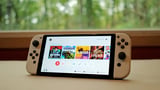
Analyst notes highlight how the hybrid design, with a built-in screen, detachable controllers, and a dock, dissolved the living-room vs. portable divide and defined Switch’s market position.
Summary based on 68 sources
Get a daily email with more Tech stories
Sources
The Verge • Feb 3, 2026
The Switch is now Nintendo’s best-selling console of all time
CNBC • Feb 3, 2026
Nintendo Switch becomes the gaming giant's best-selling console ever
Mashable • Feb 3, 2026
Nintendo: The Switch is our highest-selling console ever