Inquiry Reveals Avoidable Failures in UK's Deadliest Channel Crossing, Urges Systemic Reform
February 5, 2026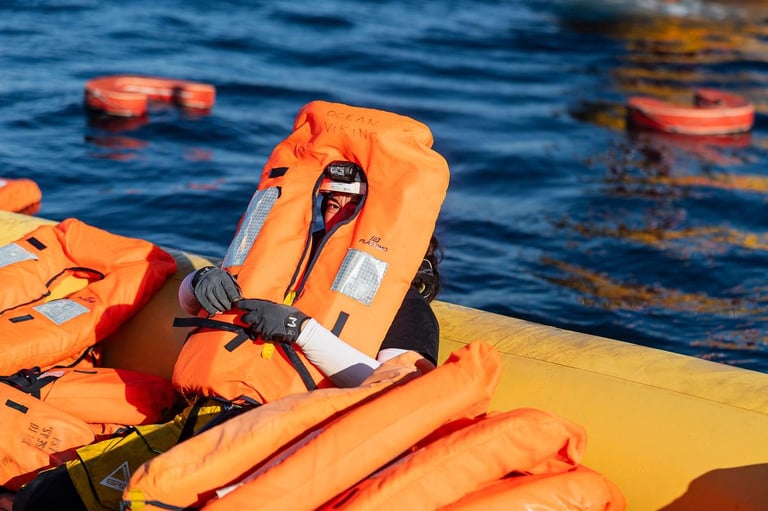

The Cranston inquiry criticizes systemic failings, including persistent understaffing at the Dover Maritime Rescue Coordination Centre, limited operational capacity at HM Coastguard, and mismanagement of rescue efforts on the night of the tragedy.
Government responses emphasize ongoing reforms to reduce incentives for dangerous journeys and to speed removals of those without rights to stay in the UK.
The report calls for urgent improvements in rescue response capabilities and better coordination between UK and French authorities to prevent future losses.
Survivors and bereaved relatives say the findings should trigger accountability and systemic reform in how refugees and rescue services are treated.
Victims came from diverse backgrounds across the region, including families and young adults from Iraq, Somalia, Ethiopia, Afghanistan, Egypt, Iran, and possibly Vietnam.
One survivor, Issa Mohamed Omar, testified to his struggle to survive in the cold water, highlighting the personal cost of the disaster.
Public and political reaction recognize heroic individual rescuers, but emphasize that organizational and bureaucratic shortcomings drove the outcome.
Survivors described the brutal realities: enduring icy water, moving to stay alive, and hearing people scream after dawn, underscoring the human toll.
A formal inquiry into the deadliest Channel crossing on record found that 30 lives were lost and four people remain missing, with several deaths deemed avoidable due to systemic failures, missed opportunities, and chronic staff shortages in the UK’s maritime response.
Refugee charities urged that the findings mark a turning point to end the dehumanization of refugees and to establish safe, legal pathways with shared responsibility from France and other European nations.
The inquiry concluded the November 2021 Channel small-boat disaster was avoidable, representing the worst mass drowning on this route, with at least 24 men, seven women and two children confirmed dead and four still missing.
Context shows the Channel crossing remains a recurring route for migrants seeking the UK, with ongoing political efforts and funding directed at border control, though effectiveness remains in doubt.
Summary based on 6 sources
Get a daily email with more World News stories
Sources

The Guardian • Feb 5, 2026
Loss of life was avoidable in worst small boat disaster in Channel, inquiry finds
Daily Mirror • Feb 5, 2026
Small boat crossing deaths 'were avoidable' says damning report into tragedy
Express.co.uk • Feb 5, 2026
Cranston inquiry: Deaths 'avoidable' from deadliest channel crossing on record