AfD's Rise: A Complex Mix of Far-Right Influence and Voter Disillusionment
February 9, 2026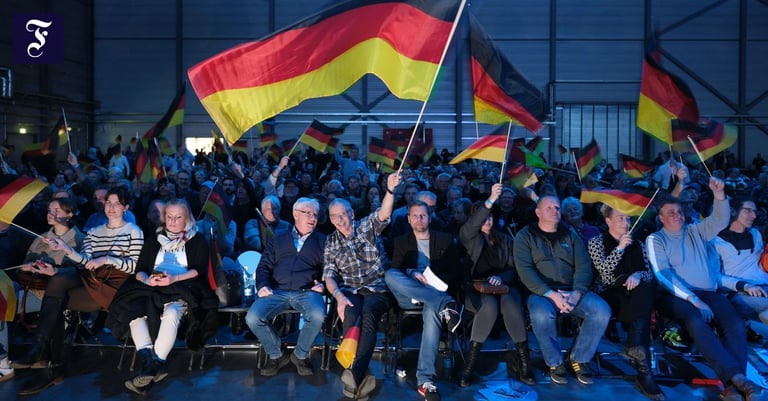

Conservatives and right-leaning voters are increasingly drawn to the AfD due to long-term shifts in conservative positions, gaps in media and political tolerance for violence, and a sense that politics never changes, fueling support for an anti-establishment option.
A Verfassungsschutz report highlights blurred lines between the AfD, neorechts movements, identitarian groups, and neonazism, underscoring the far-right’s influence within the party.
Voters increasingly see the AfD as a guardian against perceived threats, which solidifies its base even as some supporters acknowledge what the party stands for.
To counter the mainstream coalition, a center-ground alliance is proposed, with a stricter, more proactive migration policy as a potential starting point, while underscoring that real governing change is needed to curb the AfD’s rise.
The AfD’s traction rests on reframing grievances against mainstream parties and portraying itself as a victim of censorship, a strategy that normalizes increasingly extreme rhetoric.
The party attracts both neo-Nazis and non-extremist voters, illustrating its openness to far-right elements and its leadership, including a youth group with extremist associations.
The article questions whether AfD voters understand the broader implications of their support, or are driven by disappointment and anger over perceived national misdirection.
Summary based on 1 source